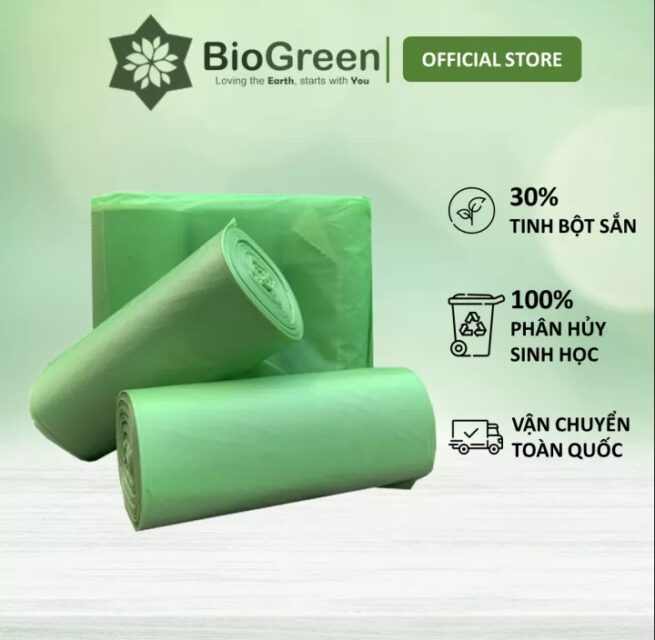
Ecovia stands at the forefront of sustainable packaging, pioneering the transformation of textile waste into premium, fully compostable garbage bags and biopolymer products. While Ecovia was founded in Dhaka, Bangladesh, a country with immense access to cotton-based garment scraps, the expansion of their manufacturing capabilities into Vietnam is a strategic move that places them directly within the heart of Asia’s booming textile and sustainable materials hub. This decision leverages Vietnam’s strong government commitment to green manufacturing and its rapidly developing infrastructure to create a scalable, globally competitive supply chain.
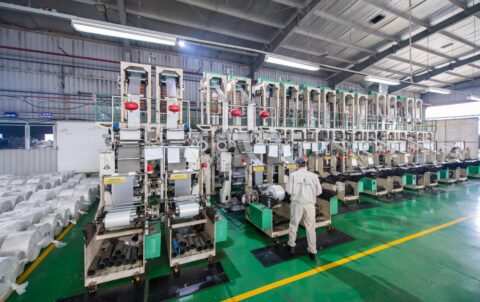
Vietnam, already a global powerhouse in the garment and textile industry, generates hundreds of thousands of tons of recyclable textile waste annually. This waste stream is the core raw material for Ecovia’s unique, patented process. Establishing a factory in Vietnam allows Ecovia to tap directly into this abundant, local feedstock, significantly reducing logistics and raw material costs.
Strategic Location: A facility strategically located near major industrial zones—such as those in Long An or Hung Yen, which host many of the country’s existing biodegradable plastic and textile manufacturers—maximizes operational efficiency. This geographical advantage enables Ecovia to streamline the collection of pre-consumer garment waste from nearby textile production lines, ensuring a consistent, high-quality supply for their biopolymer production.
Government Support: The Vietnamese government has aggressively pursued a green transformation, offering incentives and creating a favorable environment for businesses focusing on circular economy models, recycled content, and bio-based materials. This regulatory landscape ensures Ecovia’s operations are aligned with national sustainable development goals, enhancing their competitiveness and securing their long-term presence.
Ecovia’s innovation lies in its ability to convert discarded cotton fabric scraps—otherwise destined for landfill or low-value applications—into a unique, proprietary bioplastic resin. This resin is the foundation for their eco-friendly trash bags.
Feedstock Acquisition: The factory sources cotton-rich textile waste, primarily from cutting room floors of garment factories in the region.
Conversion: Through a specialized chemical and mechanical process, the cellulose in the cotton is extracted and refined to create the compostable polymer.
Extrusion and Finishing: The biopolymer is then extruded and processed using standard film-blowing machinery to manufacture a comprehensive product line, including high-strength compostable garbage bags, mailer bags, and other packaging.
Every Ecovia compostable garbage bag is certified to break down completely into humus, water, and $\text{CO}_2$ in both home and industrial composting environments, typically within 150 days. This makes them a superior, zero-microplastic alternative to conventional plastic bags.
The Vietnamese factory is designed not just for production, but to be a showcase for the circular economy in the fast-fashion supply chain. By converting waste that traditionally burdens landfills and pollutes waterways, Ecovia’s facility has a projected capacity to process thousands of tons of textile waste annually. This output helps meet the surging global and domestic demand for sustainable packaging, positioning Ecovia as a critical link between Vietnam’s textile manufacturing prowess and its new identity as a green materials innovator.