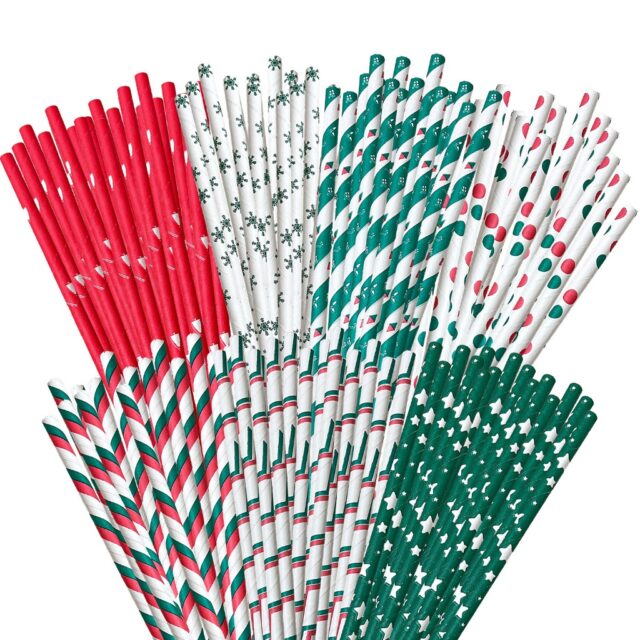
Food delivery is deeply embedded in daily life across Singapore, with platforms like GrabFood, foodpanda, and Deliveroo handling millions of orders monthly across a densely packed urban environment perfectly suited to fast, efficient last-mile delivery. As delivery volumes have surged, so has scrutiny over the environmental footprint of single-use packaging that accompanies each order — placing paper straws squarely within a much larger conversation about sustainable food delivery in the city-state.
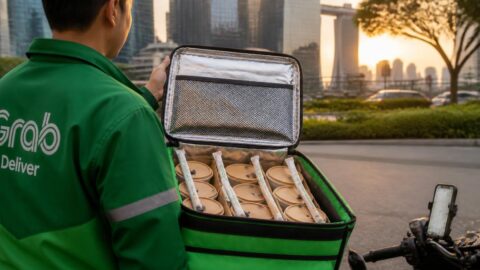
As food delivery platforms like GrabFood, foodpanda, and Deliveroo handle millions of monthly orders, paper straws have become a focal point of sustainable urban logistics in Singapore.
Unlike dine-in settings where a single reusable cup or glass might serve a customer, food delivery orders inherently generate additional packaging waste — sealed cups, plastic lids, and straws bundled together for every beverage order, regardless of destination. With Singapore’s food delivery market ranking among the most mature and heavily used in Southeast Asia, the cumulative packaging footprint from beverage orders alone has become a genuine point of focus for platforms under pressure to demonstrate environmental responsibility to both regulators and increasingly values-driven consumers.
Delivery platforms have limited direct control over how individual restaurant partners package their drinks, since packaging decisions are typically made by the merchants themselves. However, platforms have increasingly used their scale and influence to encourage — and in some cases require — merchant partners to adopt more sustainable packaging standards, including a shift away from plastic straws toward paper alternatives.
This simple interface change has had an outsized impact, since many delivery orders — particularly food-only orders — never actually needed a straw in the first place. By flipping the default from opt-out to opt-in, platforms have meaningfully reduced straw distribution without needing to ban the item outright.
| Platform Action | Impact |
|---|---|
| Default “no straw” checkout option | Reduces unnecessary straw distribution |
| Discounted bulk paper straw pricing for merchants | Lowers adoption barrier for small stalls |
| Merchant education campaigns | Builds awareness of sustainable packaging options |
| In-app sustainability badges for eco-friendly merchants | Signals values-aligned choices to consumers |
| Carbon offset programs tied to delivery orders | Complements packaging changes with broader emissions goals |
GrabFood and foodpanda have both introduced these default opt-in settings, and several platforms have gone further by partnering with eco-packaging suppliers to offer merchants discounted bulk pricing on paper straws and other sustainable materials, lowering the barrier to adoption for smaller restaurant and beverage stalls that might otherwise default to cheaper plastic options out of necessity rather than preference.
For restaurant and beverage stall owners who rely heavily on delivery platforms for revenue, packaging decisions are often a balancing act between cost, durability during transit, and increasingly, customer expectations shaped by platform-level sustainability messaging.
Some merchants have noted that once they made the switch, customer feedback shifted from neutral to positive, with several reviews specifically praising the use of paper straws — a small but real reputational benefit in a highly competitive delivery marketplace where ratings directly affect order volume.
Singapore consumers using food delivery apps have shown a notable pattern: when platforms make sustainable choices the default option — such as requiring an active checkbox to request a straw, rather than an active checkbox to decline one — actual straw usage per order drops meaningfully. This default-setting effect, well documented in behavioral economics research, has made checkout interface design one of the more quietly impactful sustainability levers available to delivery platforms, arguably more effective than straw material alone.
Surveys of Singaporean delivery app users have shown broad, if sometimes passive, support for reduced default packaging, with many users indicating they simply hadn’t previously considered whether they needed a straw at all until platforms began prompting the choice explicitly during checkout.
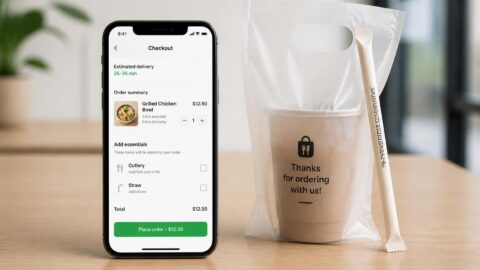
Leveraging behavioral economics, delivery apps use opt-in ‘no straw’ defaults to significantly reduce unnecessary single-use waste without disrupting order efficiency.
Do delivery platforms require merchants to use paper straws? Not universally — platforms mostly encourage adoption through discounted pricing and default checkout settings rather than strict mandates, though pressure is increasing over time.
Why does the checkout default matter so much? Behavioral research shows that when sustainable choices are the default (opt-in rather than opt-out), actual usage drops significantly compared to leaving it as an active choice to decline — often more effective than the straw material itself.
Are paper straws harder to manage in delivery packaging? Not particularly — since straws aren’t inserted into drinks until the customer opens their order, sogginess is less of an issue than in dine-in or immediate-consumption settings.
Does switching to paper straws affect a restaurant’s delivery ratings? Some merchants report modestly improved customer feedback after switching, particularly among sustainability-conscious diners who leave reviews mentioning packaging choices.
Paper straws represent one visible piece of a much larger sustainability conversation within Singapore’s food delivery ecosystem, which also includes plastic bag reduction, compostable food containers, and delivery route optimization to reduce carbon emissions from delivery vehicles. Platforms have generally treated straws as a relatively easy, low-friction starting point for broader sustainability messaging directed at both merchants and consumers.
As Singapore’s food delivery sector continues to mature, further packaging standardization is likely, potentially including platform-wide requirements for merchants to offer only sustainable straw and cutlery options by default. For now, the shift toward paper straws in food delivery reflects a broader trend: sustainability increasingly built into the digital checkout experience itself, rather than left solely to individual merchant discretion.