Singapore’s sustainability push isn’t a single policy — it’s a layered set of national strategies, and compostable straws sit at a small but symbolically meaningful intersection of several of them. Understanding this bigger picture helps explain why so many businesses are making the switch now, and what it might mean going forward.
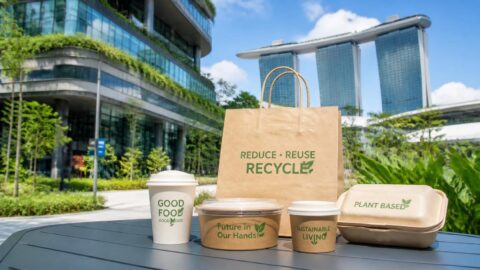
Compostable straws sit at a small but symbolically meaningful intersection of Singapore’s national sustainability frameworks, including the Zero Waste Masterplan and Sustainable Singapore Blueprint.
Two major national strategies shape the context compostable straws exist within:
Compostable straws don’t solve either strategy on their own — no single product does — but they represent the kind of small, visible behavioral shift that supports the broader cultural change these frameworks are trying to encourage.
Packaging waste, including food and beverage packaging like straws, cups, and containers, makes up a meaningful share of Singapore’s domestic waste stream. Because Singapore incinerates most general waste rather than landfilling it (see our composting infrastructure guide for more detail), the emphasis within national strategy tends to fall on:
Compostable straws primarily support the second point — offering a lower-impact material choice — while businesses that also reduce overall straw usage (e.g., “straws on request” policies) support the first.
F&B and hospitality businesses operating in Singapore increasingly align their own sustainability practices with these national frameworks, both because it’s good citizenship and because it increasingly matters commercially:
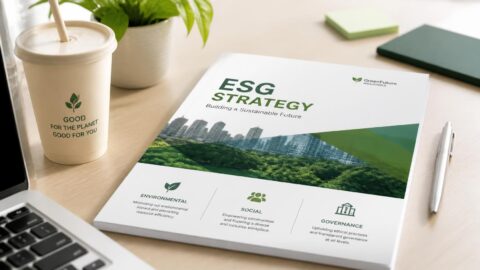
For F&B and hospitality businesses across Singapore, adopting compostable straws serves as a measurable, visible data point supporting corporate ESG disclosures and sustainability goals.
| Period | Key Development |
|---|---|
| Earlier national waste strategy phases | Focus on recycling infrastructure and public education |
| Zero Waste Masterplan introduction | Formalized targets around packaging waste and extended producer responsibility concepts |
| Ongoing blueprint updates | Continued refinement of targets across climate, waste, and resource sustainability pillars |
| Present day | Growing voluntary adoption of compostable and reusable alternatives across F&B and retail sectors |
Businesses weighing whether to invest in compostable straws now, ahead of any potential future mandate, should consider:
What they can do:
What they can’t do alone:
Is Singapore planning to ban plastic straws outright? There is no nationwide blanket ban on plastic straws at this time, though sustainability strategy continues to evolve, and businesses are encouraged to monitor updates from national environmental authorities.
Do compostable straws count toward corporate sustainability certifications in Singapore? Many corporate sustainability frameworks and internal ESG tracking systems do count single-use plastic reduction measures like compostable straw adoption, though specific certification requirements vary by scheme.
Why does Singapore focus more on incineration and landfill extension than composting expansion? Singapore’s land scarcity has historically made incineration-based waste-to-energy systems more practical at national scale than large land-intensive composting operations, though targeted composting initiatives continue to expand within that broader framework.
Compostable straws are a small piece of a much larger national sustainability puzzle in Singapore, but they’re a genuinely meaningful one — accessible, visible, and increasingly expected by both customers and institutional partners. Businesses that understand where this fits into the bigger Zero Waste Masterplan picture are better positioned to make the switch feel like proactive leadership rather than reactive compliance.
Compostable straws are, in many ways, a small but telling indicator of how Singapore businesses are adapting to a broader national sustainability direction.