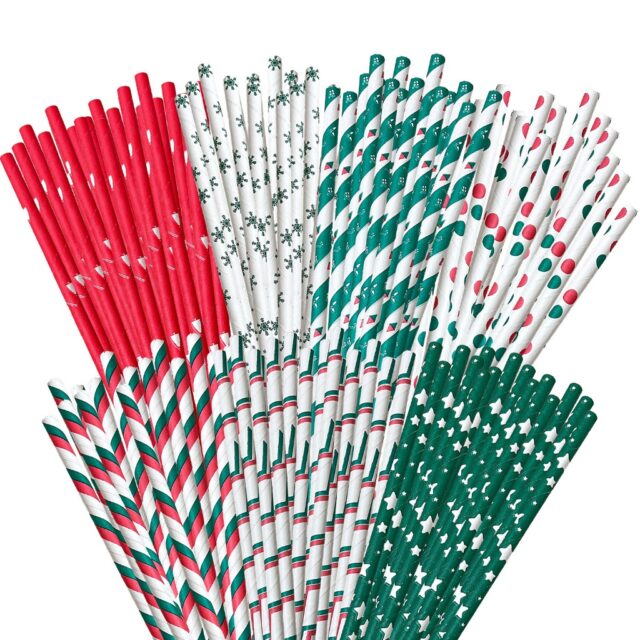
Johor Bahru occupies a genuinely unique position in Malaysia’s paper straws malaysia landscape — a border city separated from Singapore by only the narrow Straits of Johor, connected by the Johor–Singapore Causeway that sees hundreds of thousands of daily crossings. This proximity has created a distinctive cross-border influence on how the city’s F&B businesses approach sustainable packaging.
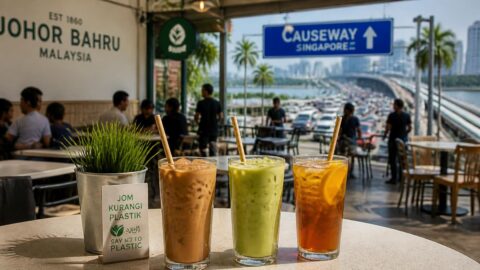
Johor Bahru’s unique position across the Causeway from Singapore creates a distinct cross-border adoption pattern, where F&B businesses catering to Singaporean visitors often transition to paper straws faster than those in Malaysia’s more inland regions.
With Singapore’s more established, policy-driven approach to plastic straw reduction sitting just across the Causeway, Johor Bahru’s F&B businesses — particularly those catering to Singaporean day-trippers and weekend visitors — face a distinctive customer expectation gap compared to businesses in more inland Malaysian cities.
| Customer Segment | Straw Expectation | Business Response |
|---|---|---|
| Singaporean day-trippers | Higher expectation for paper straws | Malls/chains near Causeway adapt faster |
| Local Johor Bahru residents | More price-sensitive, gradual expectation | Independent stalls adopt more slowly |
| Domestic Malaysian tourists | Moderate expectation | Standard adoption pace |
| International tourists (via Singapore transit) | High expectation | Hotels/resorts prioritize consistency |
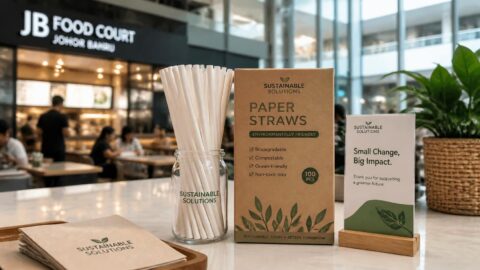
Shopping malls and F&B chains near Johor Bahru’s CIQ and Causeway frequently adopt paper straws at an accelerated pace to meet the expectations of weekend Singaporean shoppers, creating a sustainability standard that differs from the city’s more traditional local districts.
Johor Bahru’s major shopping destinations, including those near the Causeway and CIQ (Customs, Immigration and Quarantine) complex, see significant Singaporean weekend shopping traffic, particularly given the favorable exchange rate that draws Singaporean visitors across the border regularly. These malls have generally adopted paper straws at a pace closer to Singapore’s own retail districts than to more inland Malaysian shopping centers, partly to meet the expectations of this cross-border customer base.
Beyond its border-city dynamics, Johor Bahru maintains its own distinct food traditions, including mee bandung Muar-style dishes and traditional Johor kopitiam culture, similar in structure to broader Malaysian kopitiam traditions found across the peninsula. These traditional beverage stalls have generally followed adoption patterns more typical of Malaysia’s broader hawker culture than the accelerated, cross-border-influenced pace seen in the city’s more tourist-facing commercial districts.
Johor Bahru’s status as part of the Iskandar Malaysia special economic zone has attracted significant corporate and industrial investment, including from Singaporean companies establishing regional operations across the border. This corporate presence has introduced some of the same ESG-driven sustainability pressure seen in Singapore’s own corporate districts, creating pockets of faster paper straw adoption within Johor Bahru’s growing business districts.
F&B businesses near the Causeway and CIQ complex report notably higher weekend demand driven by Singaporean visitors, creating a beverage consumption pattern distinct from more steady, weekday-driven demand seen in purely local Malaysian neighborhoods. This weekend surge has meant some businesses in this specific area plan paper straw procurement with an eye toward cross-border visitor patterns rather than purely local demand forecasting.
Why does Johor Bahru have a different paper straw adoption pattern than other Malaysian cities? Its proximity to Singapore and the resulting cross-border customer traffic has created stronger expectations for paper straws among businesses catering to Singaporean visitors, compared to more inland Malaysian cities.
Do all businesses near the Causeway use paper straws? Adoption is generally higher among malls and chains catering to Singaporean visitors, though smaller independent local stalls follow more typical Malaysian adoption patterns.
Does Johor Bahru have its own local plastic straw policy? Local councils in Johor Bahru have introduced guidelines encouraging reduced single-use plastics, operating within Malaysia’s broader decentralized, state-by-state regulatory approach.
As the Iskandar Malaysia development zone continues attracting further investment and cross-border business activity, expect Johor Bahru’s straw adoption story to keep evolving in tandem with its economic ties to Singapore, with new commercial developments near the border likely to continue setting a faster sustainability pace than the city’s more traditional, inland neighborhoods.
Johor Bahru’s paper straw story illustrates how geography and cross-border economic relationships can shape sustainability adoption independent of formal domestic policy alone. As the city’s role within the broader Iskandar Malaysia development zone continues to grow, expect this cross-border influence to keep shaping how quickly — and in which specific commercial districts — paper straws become the consistent default across Johor Bahru’s diverse F&B landscape.