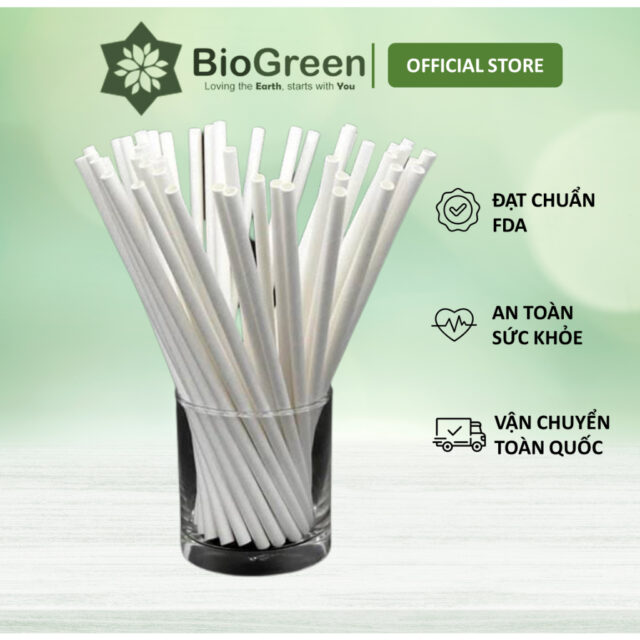
Abu Dhabi doesn’t move on trends quickly — the emirate tends to plan, regulate, and then implement with discipline. That’s exactly why its current shift toward paper straws is worth paying attention to. This isn’t a passing fad driven by social media pressure; it’s a structural change backed by policy, procurement standards, and long-term environmental planning. Here are seven reasons the shift is happening now.
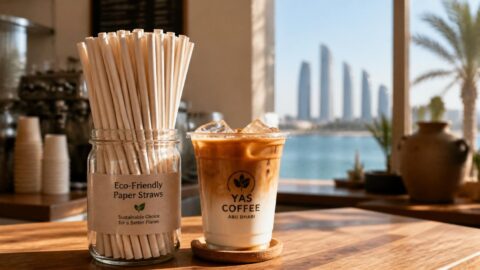
Across Abu Dhabi’s burgeoning cafe scene, paper straws have transitioned from a compliance requirement to a standard expectation for environmentally conscious patrons.
The UAE’s single-use plastic policies have steadily narrowed what food-service businesses can offer by default. Abu Dhabi, as the capital, tends to enforce these standards closely, and many venues have simply stopped stocking plastic straws altogether rather than risk non-compliance or public criticism.
Between Saadiyat Island’s cultural district, the Corniche waterfront, and the growing eco-tourism push around the mangroves, Abu Dhabi has invested heavily in presenting itself as a sustainable destination. Plastic straws sitting in a drink photographed against that backdrop undercut the message. Paper straws are a small but visible way to keep the story consistent.

Aligning with Abu Dhabi’s broader vision of sustainable tourism, beachside kiosks and waterfront venues are successfully eliminating single-use plastics.
Many of the international hotel brands with a presence in Abu Dhabi set sustainability benchmarks at a corporate level that apply across their entire portfolio, not just flagship properties. When headquarters mandates a reduction in single-use plastics, local procurement teams need a reliable, scalable straw alternative — and paper is usually the most practical option for high guest volumes.
Abu Dhabi’s public sector — from municipal cafeterias to government-linked entertainment venues like Yas Island attractions — has been an early adopter of paper straws, setting a visible precedent that private businesses have followed.
It’s not just top-down pressure. Increasingly, residents and tourists in Abu Dhabi are asking cafes directly whether their straws are plastic or paper, particularly younger, environmentally engaged customers. Businesses that can answer “paper” without hesitation are turning a small operational choice into a customer-service win.
Grocery and convenience retailers across Abu Dhabi have started including paper straws with packaged juice boxes and ready-to-drink beverages, replacing the small plastic straws that used to come attached. This shift alone represents significant volume, since packaged beverages move through supermarkets, school canteens, and convenience stores at scale.
Perhaps the most underrated reason: paper straw manufacturing and export has matured to the point where price parity with plastic is achievable at bulk order volumes. Five years ago, paper straws carried a meaningful cost premium that made businesses hesitate. Today, with more manufacturers competing for Gulf-region contracts, that gap has narrowed considerably, removing one of the biggest historical objections.
For companies exporting paper straws into the Abu Dhabi market, the message from these seven trends is clear: this is a durable shift, not a seasonal spike. Buyers here — whether hotel procurement managers, retail buyers, or government facility operators — are looking for consistent supply, documented compliance with UAE food-safety standards, and pricing that holds steady across large orders.
Abu Dhabi’s approach to sustainability tends to be methodical rather than reactionary, which is good news for serious suppliers. Businesses that can demonstrate reliability over a few order cycles are likely to become long-term partners rather than one-time vendors, in a market that values consistency as much as innovation.