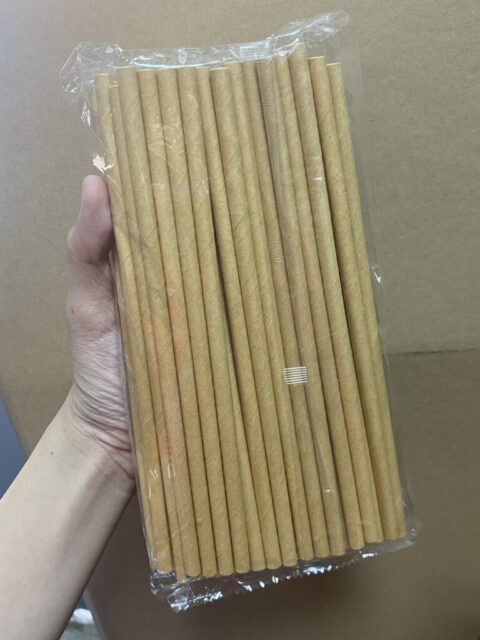
As Qatar’s food-service industry continues adjusting to reduced plastic use, we’ve collected the questions most frequently asked by Doha restaurant owners, procurement managers, and curious diners. Here are straightforward answers.

Blending cultural heritage with modern sustainability, Doha’s evolving dining scene is finding smart ways to integrate eco-friendly practices without losing traditional charm.
Qatar has been steadily tightening restrictions on single-use plastics as part of its broader environmental strategy, and many venues in Doha have voluntarily phased out plastic straws ahead of any strict blanket ban, largely in response to shifting consumer expectations and alignment with the country’s National Vision goals around sustainability.
This is one of the most common concerns, and it’s a fair one. Doha’s climate means iced and cold beverages dominate much of the year, and lower-quality single-wall paper straws can soften faster in hot outdoor conditions combined with cold drinks. Higher-quality double-wall paper straws, however, are specifically designed to resist this and typically remain functional well beyond the average time it takes to finish a drink.
At small order volumes, yes, there’s usually a modest price difference. At the bulk volumes most Doha restaurants and hotels order at, the price gap has narrowed significantly in recent years as more manufacturers compete for Gulf-region contracts, making the switch far less costly than it would have been five years ago.
Yes. Several suppliers serving the Qatari market offer custom printing, including restaurant logos or seasonal designs, particularly useful during high-profile periods like major sporting or cultural events hosted in Doha, when hospitality venues want their presentation to stand out.
Hotels should prioritize suppliers who can provide consistent bulk volume, food-safety documentation suitable for import into Qatar, and evidence of durability testing in both hot and cold beverages. Reliability of delivery matters especially for large hotel groups managing multiple food and beverage outlets under one roof.

From West Bay hotel groups to independent cafes across Doha, sourcing reliable bulk paper packaging ensures uninterrupted operations and meets growing environmental standards.
Paper straws generally perform well with both, though thicker beverages like laban may benefit from a slightly wider straw diameter than the standard size used for water or soda. Some suppliers offer multiple diameter options specifically to accommodate regional beverage preferences.
Some lower-quality straws marketed as “paper” do include a thin plastic or wax lining to improve durability, which can undercut the environmental benefit consumers expect. Businesses and consumers who want a genuinely compostable option should ask suppliers directly whether their straws are fully plastic-free and request certification if sustainability claims matter to their brand.
Humidity and heat can degrade paper straws in storage faster than expected. Keeping straws in sealed packaging, away from kitchen steam, and in a cool storage area extends their usable shelf life considerably compared to leaving open boxes near food-prep stations.
Most bulk supply arrives through import channels via Hamad Port, with lead times varying by supplier and order size. Businesses are generally advised to build in a buffer of several weeks when placing first-time orders, and to establish a repeat supplier relationship once a reliable source is confirmed, rather than sourcing on a purely reactive, order-by-order basis.
Doha’s shift toward paper straws mirrors patterns seen across the wider Gulf region: driven by a mix of regulation, brand image, and genuine consumer demand, with quality and sourcing reliability mattering more to long-term success than price alone.