Oman’s approach to reducing single-use plastics has been steady rather than dramatic, and Muscat’s hospitality sector reflects that pattern closely. Rather than a single sweeping mandate, the shift toward paper straws in the capital has unfolded through a combination of gradual regulation, supplier availability, and shifting business preference. Here’s what the numbers around that shift tend to show.
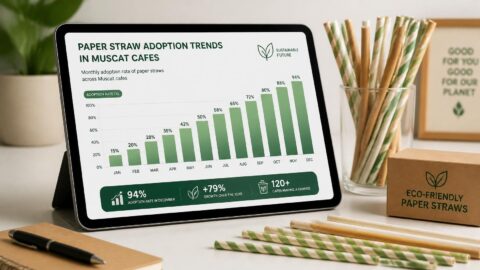
Analyzing consumption volumes, cost trends, and adoption patterns across Oman reveals a steady, data-backed shift toward paper straws in Muscat’s hospitality sector.
A mid-sized Muscat cafe serving a typical mix of hot and cold beverages can go through several hundred straws per day during peak tourist season, with cold beverage orders — juices, iced coffee, and traditional chilled drinks — accounting for the large majority of straw usage. Hotels along the Al Mouj and Qurum waterfront areas, which run multiple food and beverage outlets simultaneously, scale this considerably higher, particularly during the cooler winter months when Muscat sees its highest volume of international visitors.
Historically, paper straws carried a noticeable cost premium over plastic, often estimated at a meaningful percentage increase per unit at small order volumes. That gap has narrowed substantially over the past several years as manufacturing capacity for paper straws has expanded across exporting countries competing for Gulf-region contracts. At the bulk order volumes typical of hotel and multi-branch cafe procurement, the price difference between quality paper straws and standard plastic straws has become far less significant than it once was, removing much of the original cost objection that slowed adoption.
Independent quality comparisons commonly used by procurement teams distinguish between single-wall and double-wall paper straws based on how long they maintain structural integrity in cold beverages. Single-wall straws tend to soften noticeably within a shorter window, which can be a poor fit for Muscat’s cold-drink-heavy menus, particularly during the hot season when ice-based beverages dominate sales. Double-wall straws consistently outperform in these comparisons, holding up for a meaningfully longer duration — a difference significant enough that many Muscat-based businesses have shifted their sourcing criteria toward double-wall options specifically after early complaints with cheaper single-wall alternatives.
Adoption of paper straws in Muscat has not been uniform across business categories. International hotel chains, often operating under corporate sustainability mandates set outside Oman, tend to have been early and thorough adopters. Independent cafes have followed at a somewhat slower pace, often driven by individual owner preference or direct customer requests rather than top-down policy. Quick-service and delivery-focused restaurants have generally been the last category to fully transition, largely due to tighter cost margins and higher sensitivity to any per-unit price increase across large order volumes.
Paper straws entering the Omani market typically arrive through Sultan Qaboos Port or via regional distribution hubs, with lead times varying based on supplier location and order size. Businesses that plan orders with sufficient buffer time — rather than ordering reactively when stock runs low — tend to avoid the supply disruptions that can occur when demand spikes during peak tourist months.

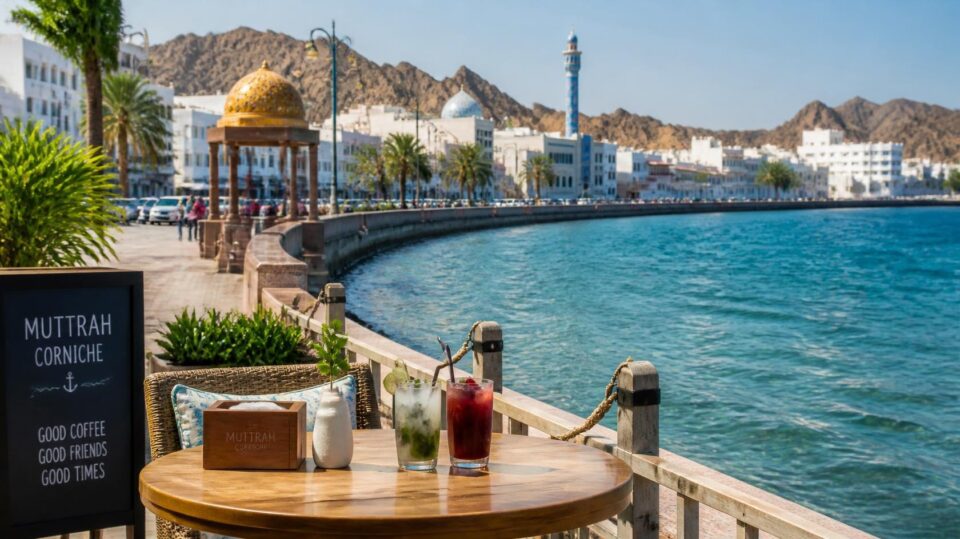
From the scenic waterfronts of Muttrah and Qurum to major hotel chains along Al Mouj, cold beverage demand drives high daily straw consumption across Muscat.
Taken together, these trends point toward continued, steady growth in paper straw adoption across Muscat’s hospitality sector rather than a plateau. As price parity with plastic continues to improve and as more suppliers demonstrate reliable durability performance, the primary remaining barriers to full adoption — cost sensitivity among smaller businesses and inconsistent quality among early-generation paper straw products — appear to be diminishing steadily rather than persisting as permanent obstacles.
For suppliers evaluating the Muscat market, the numbers suggest a market that rewards patience and consistency: adoption is happening, but through steady, evidence-based decisions by individual businesses rather than a single dramatic regulatory turning point.