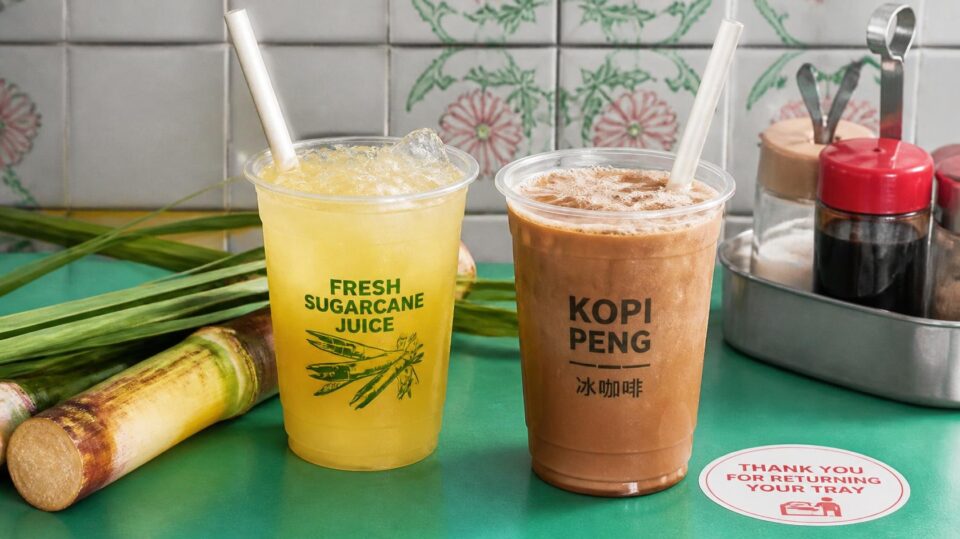
Singapore’s hawker centres are more than just places to eat — they are the beating heart of the nation’s food culture, a UNESCO-recognized intangible heritage bringing Chinese, Malay, Indian, and Peranakan flavors under one roof. In recent years, one small but noticeable change has swept through these communal dining halls: the shift from plastic straws to paper straws.
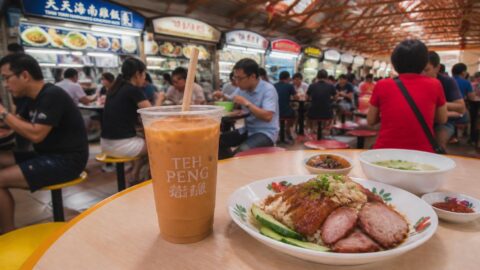
As Singapore’s iconic hawker centres embrace sustainability, traditional drink stalls are successfully replacing plastic straws with paper alternatives across local community dining halls.
Singapore’s push toward sustainability has trickled down from national policy to the smallest drink stalls. Vendors selling iced beverages have traditionally relied on plastic straws for their low cost and durability with thick, pulpy drinks. Paper straws have improved significantly, with thicker walls and food-safe coatings that hold up better in cold beverages than earlier versions did.
Younger diners increasingly ask whether a stall uses eco-friendly packaging, and some are willing to pay a few extra cents for drinks served with paper straws — a consumer-led shift encouraging even decades-old stalls to change without any legal requirement to do so.
| Factor | Plastic Straws | Paper Straws |
|---|---|---|
| Cost per unit | Lower | 2–4x higher |
| Durability in thick drinks | High | Moderate (needs thicker grade) |
| Shelf life in humid storage | Long | Shorter, needs sealed storage |
| Customer perception | Increasingly negative | Increasingly positive |
| Drain/bin clogging | Higher | Lower, breaks down faster |
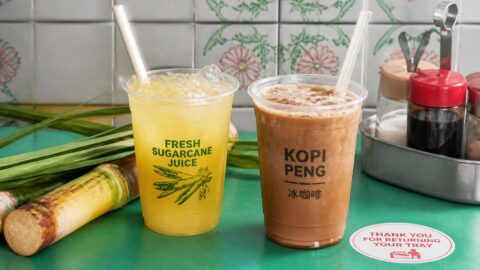
From pulpy sugarcane juice to rich iced coffee, hawkers are utilizing specialized, thicker-grade paper straws to maintain durability across traditional beverage menus.
The National Environment Agency (NEA) has run sustainability initiatives encouraging stallholders to reduce single-use plastics, including subsidized eco-packaging schemes. Community groups have organized “zero waste” hawker centre tours and free paper straw sample drives, helping normalize the shift centre by centre — notably in Tiong Bahru and Tanjong Pagar, where entire clusters of drink stalls have switched together.
Are paper straws mandatory in Singapore’s hawker centres? No. There is currently no blanket legal requirement, but adoption has grown organically through NEA programs and consumer demand.
Do paper straws work well with sugarcane juice and other pulpy drinks? Standard paper straws can soften quickly in dense liquids. Many stalls now use thicker, “boba-grade” paper straws designed for pulpier beverages.
Why do some hawker stalls charge extra for paper straws? Paper straws typically cost more per unit than plastic, and some stalls pass a small portion of that cost to customers who opt for the eco-friendly version.
As Singapore pursues its broader sustainability goals, hawker centres are likely to see further packaging innovation, from biodegradable cup lids to compostable containers. Paper straws are a small but meaningful step toward a more sustainable hawker culture that still honors the flavors and traditions that make Singapore’s food scene one of the most beloved in the world.