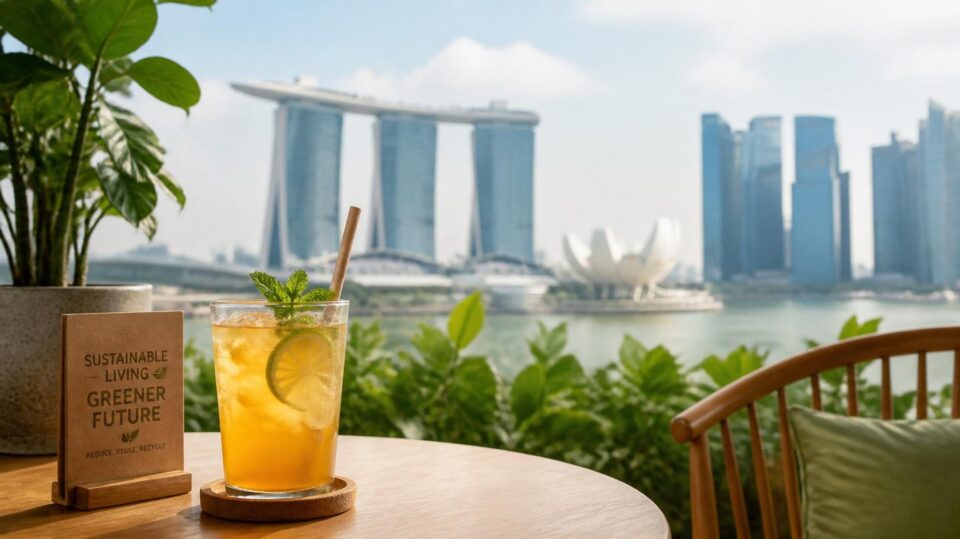
Singapore, a small island nation with limited land for landfills, treats waste management as a matter of national urgency. With Semakau Landfill projected to reach capacity within decades, single-use plastics — including plastic straws — have become a visible symbol of the changes reshaping business and consumer behavior.
As Singapore advances its Zero Waste Masterplan to conserve landfill space, paper straws have become a visible symbol of corporate and consumer sustainability shifts.
| Year | Milestone | Relevance to Straws |
|---|---|---|
| 2019 | Resource Sustainability Act passed | Mandatory packaging waste reporting for large producers |
| 2019 | Zero Waste Masterplan launched | Sets 30% waste-to-landfill reduction target by 2030 |
| 2020s | NEA outreach & school programs | Straws used as accessible sustainability teaching example |
| Ongoing | Green Plan 2030 | Broader single-use plastic reduction ambitions |
Plastic straws contribute a relatively small share of Singapore’s total waste by weight, but they’ve become an outsized symbol in public conversation, largely because they are:
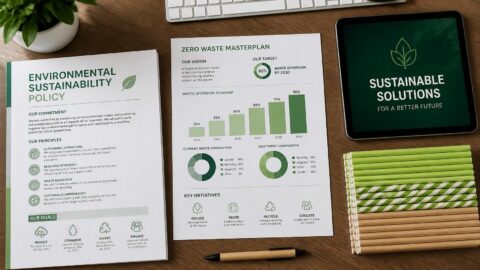
Driven by national milestones like the Resource Sustainability Act and the Zero Waste Masterplan, Singapore’s F&B sector is steadily integrating eco-friendly packaging standards.
Major F&B operators have voluntarily transitioned to paper straws ahead of any formal requirement, citing:
Singapore’s governance style generally favors testing programs at a smaller scale before wider rollout — rather than sweeping, overnight bans.
This is evident in how paper straws have spread: through reporting requirements, public education, and industry partnerships, rather than blanket legislation.
Has Singapore banned plastic straws nationwide? No. Singapore has not introduced a blanket ban; adoption is largely policy-encouraged and industry-led.
What is the Zero Waste Masterplan’s main straw-related goal? There is no straw-specific target — straws fall under the broader packaging waste reduction goals of the Resource Sustainability Act and Zero Waste Masterplan.
Will Singapore introduce a formal straw ban in the future? Industry observers expect future updates to the Masterplan may introduce more specific single-use plastic restrictions, following trends seen in the EU and parts of Asia.
As Singapore progresses toward its 2030 targets, further tightening of single-use plastic rules is widely anticipated. For now, paper straws remain one of the most visible, everyday reminders of a much larger national sustainability strategy.