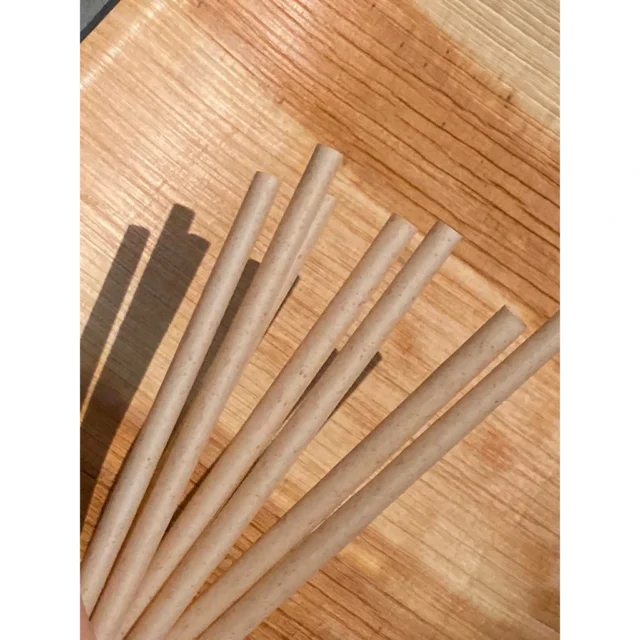
Australia has quietly become one of the more advanced markets globally for single-use plastic reduction, with a patchwork of state and territory bans pushing compostable straws from a niche eco-product into everyday hospitality standard. Whether you’re running a café in Melbourne, a beachside kiosk on the Gold Coast, or simply trying to make sense of what’s actually legal to hand a customer these days, here’s the full picture.
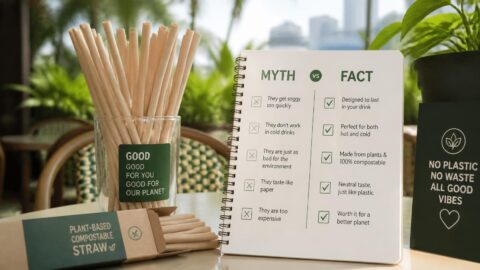
From Melbourne coffee bars to coastal Queensland kiosks, Australia’s state-by-state single-use plastic bans have propelled compostable straws from an eco-friendly option into an everyday hospitality standard.
Unlike some countries where compostable straws remain a voluntary sustainability choice, several Australian states have gone further and legislated single-use plastic straws out of the market entirely, with limited exemptions. This means compostable straws in Australia often aren’t just an environmental preference — they’re increasingly a compliance requirement for hospitality and retail businesses.
Australia doesn’t have a single unified national ban; instead, each state and territory has rolled out its own timeline and rules.
| State/Territory | General Approach | Plastic Straws |
|---|---|---|
| South Australia | Among the earliest and strictest bans | Banned, with limited disability access exemptions |
| Queensland | Comprehensive single-use plastics ban | Banned, with exemptions for people who need flexible plastic straws for accessibility |
| Western Australia | Phased single-use plastics ban | Banned |
| Victoria | Single-use plastics ban covering straws | Banned, with accessibility exemptions |
| New South Wales | Lightweight plastic items banned in phases | Banned |
| Australian Capital Territory | Early mover on single-use plastic bans | Banned |
| Tasmania | Plastic bag focus historically, straw rules evolving | Check current local regulations |
| Northern Territory | Later-stage rollout of restrictions | Check current local regulations |
Regulations continue to evolve, so businesses should always verify current requirements with their relevant state environmental authority before finalizing sourcing decisions.
Australia has its own recognized compostability standard: AS 4736 (Australian Standard for biodegradable plastics suitable for composting in industrial/commercial facilities), alongside international standards like EN 13432 that are also widely referenced locally. A genuinely compostable straw sold in Australia should be able to point to certification against one of these recognized standards — not just marketing language.
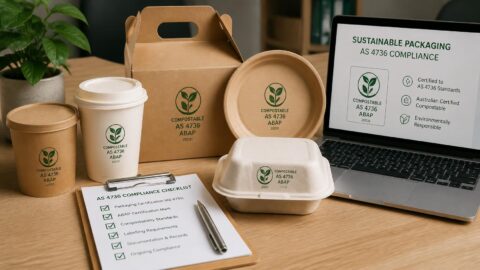
Navigating Australia’s fragmented regulatory landscape requires verifying that your chosen straws carry recognized certifications like AS 4736 or EN 13432 to ensure full state-by-state compliance.
Most state bans on plastic straws include a carve-out allowing flexible plastic straws to remain available for people with disabilities who require them for safe drinking, typically available on request rather than by default. This is an important detail for hospitality venues to understand — it’s not a loophole for general use, but a genuine accessibility accommodation built into most state legislation.
| Option | Compliant With Most State Bans? | Best Use Case |
|---|---|---|
| Compostable PLA/bagasse straws | Yes | General hospitality use |
| Paper straws | Yes | Hot drinks, quick-service |
| Reusable metal/silicone straws | Yes (not single-use plastic) | Dine-in, retail sale |
| Flexible plastic straws (accessibility) | Yes, exemption-only | Disability access on request |
| Standard rigid plastic straws | No, in most states | Not legally available in most jurisdictions |
Is there a single national ban on plastic straws across Australia? No — regulation is set at the state and territory level, which means requirements and timelines differ depending on where your business operates.
Are compostable straws automatically legal everywhere plastic straws are banned? In most cases yes, since state bans specifically target conventional plastic, but businesses should confirm their chosen straw meets the specific compostability or alternative-material criteria defined in their local legislation.
What happens if my business is caught supplying banned plastic straws? Penalties vary by state but can include fines for repeated or business-level non-compliance — checking your specific state environmental authority’s guidance is the safest approach.
Do compostable straws cost more in Australia than in other countries? Pricing is influenced by import costs and local manufacturing scale; as more Australian and regional suppliers enter the market, pricing has become increasingly competitive.
Australia’s fragmented but increasingly strict regulatory landscape means compostable straws have moved well past being a “nice to have” for many hospitality and retail businesses — in most states, they’re close to a practical necessity. Understanding your specific state’s rules, sourcing properly certified products, and building in accessibility exemptions correctly is the foundation for getting this right.
This is the first in a 10-part series covering everything Australian businesses and consumers need to know about compostable straws — from state-by-state deep dives to sourcing, cost, and disposal specifics.