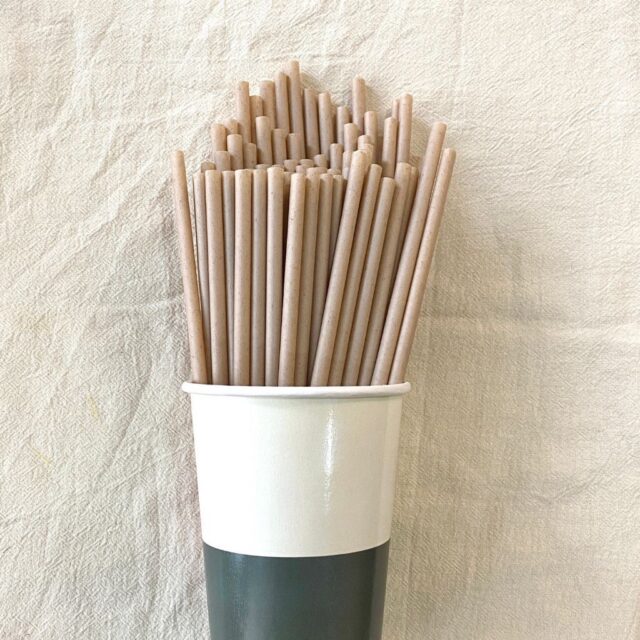
While plain paper straws dominate much of the conversation around single-use plastic alternatives, Malaysia’s F&B and retail markets have increasingly embraced a broader category of compostable straws — including PLA bioplastic, sugarcane bagasse, and other agricultural-byproduct materials that behave differently from standard paper in Malaysia’s uniquely tropical, humid climate.
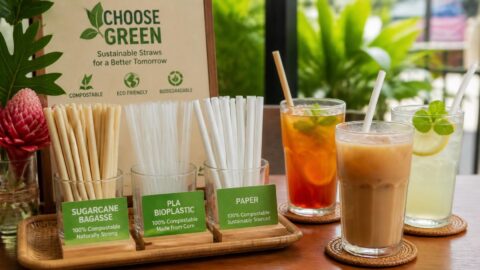
Beyond standard paper, Malaysia’s unique tropical climate and regional agricultural supply chains have driven F&B businesses toward a diverse mix of compostable straw materials—each offering different durability profiles suited to the country’s humid conditions.
Unlike temperate markets where paper straws often serve as the default compostable option, Malaysia’s tropical climate and proximity to major agricultural byproduct sources have created a somewhat different materials landscape, with several alternatives competing for market share alongside standard paper.
| Material | Local Availability | Typical Use Case |
|---|---|---|
| PLA (corn/cassava-based bioplastic) | Imported, growing local interest | Cold beverages, longer-duration use |
| Sugarcane bagasse | Regional sourcing (Indonesia, Thailand) | General beverage use, boba-adjacent |
| Unlined paper | Widely available, imported and some local production | Hot drinks, quick-service |
| Rice husk composite | Emerging, limited local supply | Niche, eco-branded products |
| Bamboo (reusable-adjacent) | Some domestic sourcing potential | Premium, hospitality-focused use |
Malaysia’s consistently high humidity and temperatures create distinct storage and performance challenges for compostable straws compared to temperate markets. Paper and bagasse-based straws are particularly susceptible to premature softening in humid storage conditions common across Malaysian F&B operations, pushing many businesses toward sealed packaging and more frequent inventory turnover than would be necessary in drier climates.
A significant challenge facing Malaysia’s compostable straw market is the limited availability of industrial composting facilities capable of properly processing PLA-based products, which require sustained high temperatures that most Malaysian municipal waste systems aren’t currently equipped to provide. This infrastructure gap means many compostable straws, despite meeting international certification standards, still end up in general landfill waste streams rather than achieving their intended composting outcome.
Malaysia’s decentralized, state-by-state approach to single-use plastic regulation generally treats compostable straws — regardless of specific material — as an acceptable alternative to plastic under most state and municipal no-plastic-straw policies, without typically distinguishing between paper, PLA, or bagasse-based options at the regulatory level. This creates flexibility for businesses to choose materials based on performance and cost rather than specific regulatory mandates favoring one compostable material over another.
Malaysian F&B businesses generally select compostable straw materials based on beverage type and cost considerations rather than environmental performance alone — bubble tea vendors favor thicker bagasse or reinforced PLA options for structural durability with tapioca pearls, while quick-service hot beverage outlets often default to standard unlined paper given its lower cost and adequate performance for shorter-duration use.
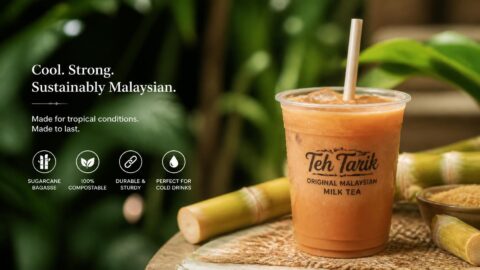
For popular, thick, or iced Malaysian beverages, businesses are increasingly opting for sugarcane bagasse over standard paper, finding that these plant-based materials offer better structural integrity in Malaysia’s high-humidity environment.
Are compostable straws required by law in Malaysia? No single national law mandates compostable straws specifically; individual states and municipal councils have introduced varying plastic reduction policies that generally accept any compostable material as compliant.
Can compostable straws actually compost properly in Malaysia? This depends heavily on the specific material and available infrastructure — PLA-based straws typically require industrial composting facilities that remain limited across Malaysia, while sugarcane bagasse and unlined paper generally break down more readily even in less specialized conditions.
Why do some Malaysian businesses prefer bagasse over paper straws? Sugarcane bagasse often offers better structural durability for thicker drinks like bubble tea while remaining a genuinely compostable, plant-based option, making it a popular middle-ground choice between standard paper and PLA.
Malaysia’s compostable straw market reflects the same decentralized, gradually evolving pattern seen across the country’s broader single-use plastic policy landscape — shaped by import supply chains, climate-specific performance challenges, and business-level material choices rather than a single coordinated national standard. As individual Malaysian cities continue developing their own approaches to sourcing, using, and disposing of compostable straws, this materials and infrastructure landscape remains the essential backdrop for understanding how the country’s compostable straw market continues to take shape.