Whether it’s a vineyard wedding in the Hunter Valley, a corporate function in Sydney’s CBD, or a beach party in Byron Bay, Australian event organizers face a dual reality: guests increasingly expect sustainable touches, and in most states, plastic straws simply aren’t a legal option anymore. Here’s how to get compostable straws right for your next event.
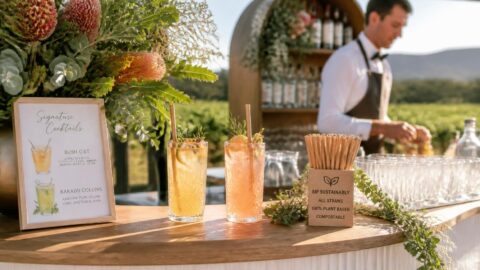
From vineyard weddings in the Hunter Valley to corporate functions in Sydney and coastal gatherings in Byron Bay, Australian event planners must balance guest sustainability expectations with strict state-by-state compliance.
A single wedding or corporate event can involve hundreds to thousands of straws served in one sitting, often through an external caterer rather than a fixed hospitality venue. This creates a specific compliance risk: event organizers and caterers need to confirm compostable straw compliance for every state they operate in, since events (and their suppliers) sometimes cross state lines in ways permanent venues don’t.
| Event Type/Setting | Recommended Straw Style | Why |
|---|---|---|
| Formal city hotel wedding | Clear or lightly tinted PLA | Matches polished, formal table presentation |
| Vineyard or garden wedding | Natural bagasse or wheat straw | Complements rustic, outdoor aesthetic |
| Corporate conference | Standard PLA, bulk-packed | Cost-efficient for high attendee volume |
| Beach or coastal event | Sturdy bagasse | Holds up well in heat and humidity |
| Festival or large public event | Wide bagasse (for specialty/frozen drinks) | Durability for high-throughput bar service |
Most established Australian caterers now include compliant straws as standard, but it’s worth clarifying specifics directly:
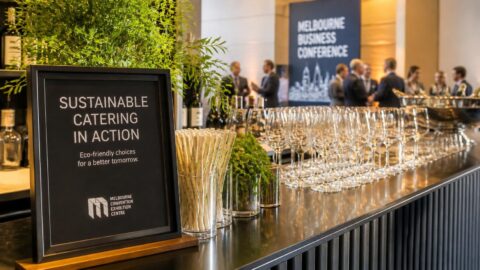
Collaborating closely with Australian caterers to verify AS 4736 certifications, material performance, and disposal arrangements ensures your event remains fully compliant from setup to cleanup.
| Event Size | Estimated Straws Needed (assuming 2 drinks/guest) |
|---|---|
| Intimate wedding (50 guests) | ~100–150 |
| Standard wedding reception (150 guests) | ~300–350 |
| Large corporate event (400 guests) | ~800 |
| Festival/public event (2,000+ attendees) | 4,000+ |
Because event orders are often one-off rather than recurring, expect pricing closer to smaller-batch rates unless your caterer already holds an existing bulk supply arrangement. Ask directly whether compostable straws are included in your base catering package or charged as a separate line item — this varies significantly between Australian caterers and can meaningfully affect your final quote.
Destination weddings (e.g., Hunter Valley, Yarra Valley, Margaret River): Confirm sourcing logistics well in advance, since regional venues may have less immediate access to bulk suppliers than metro areas — build in extra lead time for delivery.
Coastal and beach events: Heat and humidity can affect some plant-fibre straws; discuss durability specifically with your supplier if your event runs through a hot Australian summer day.
Multi-day festivals and large public events: High-volume, sustained service demands sturdier materials and reliable bulk supply — bagasse is often preferred here for its structural durability across long service hours.
Many Australian couples and event organizers choose to highlight sustainable choices as part of the guest experience:
Do event caterers in Australia automatically comply with state straw bans? Reputable caterers generally do, but it’s still worth confirming directly, particularly for events involving multiple vendors or interstate logistics.
Is it more expensive to source compostable straws for a one-off event than for an ongoing hospitality business? Often yes, since events typically don’t benefit from the same recurring bulk pricing arrangements a permanent venue might negotiate — factor this into event budgeting rather than assuming venue-level pricing.
Can guests bring their own reusable straws to an Australian event instead? Yes, and some eco-conscious weddings and events actively encourage this as a complementary approach alongside compliant compostable options provided by the caterer.
What happens to compostable straws used at an event if no compost collection is arranged? Without a specific arrangement, they typically follow standard venue waste disposal, which in many cases means general waste rather than composting — worth discussing directly with your venue or caterer if closing the loop matters to your event.
Australian events and weddings offer a genuinely visible opportunity to get compostable straws right — both for legal compliance and for the sustainability story many hosts want to tell their guests. With upfront planning around certification, quantity, and disposal arrangements, event organizers across Australia can turn a small serviceware detail into a meaningful, compliant part of their event.
Compostable straws have become a standard expectation for Australian events and catering, reflecting the same state-level compliance requirements shaping the broader hospitality industry.