Kakadu. Litchfield. A steady flow of visitors who came to Darwin specifically for the natural environment. If your business sits anywhere near that tourism trade — a lodge, a tour operator, a CBD bar serving travellers between flights — a plastic straw is a small but real contradiction of the whole reason people came here. It’s the kind of detail that doesn’t ruin a trip on its own, but it’s also exactly the kind of detail an environmentally-minded traveller notices and mentions afterwards.

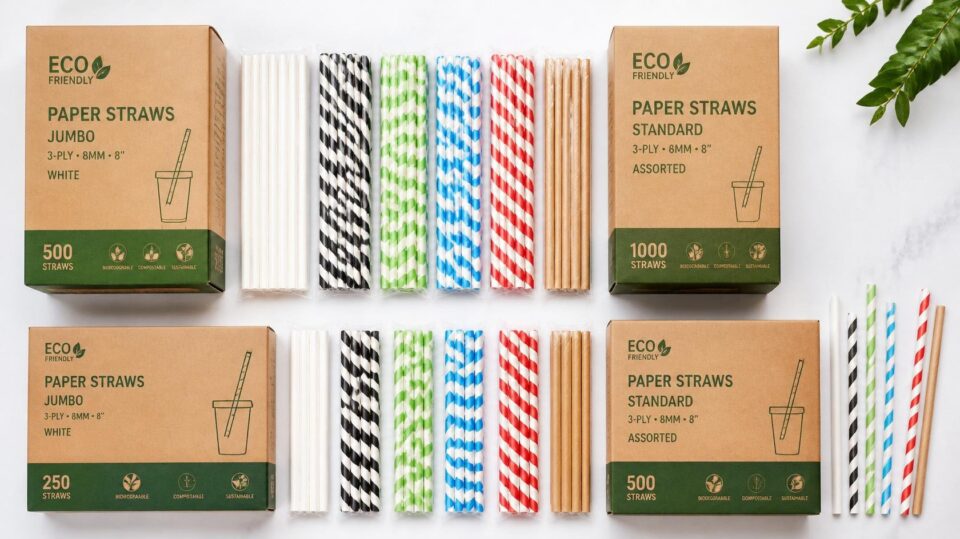
For Darwin’s eco-tourism lodges and CBD cafes, adopting sustainable paper straws aligns seamlessly with the environmental expectations of international and domestic travellers
The Northern Territory has committed to moving away from single-use plastics, in step with the rest of the country. Every mainland state and the ACT has already banned plastic straws, and that national direction is unlikely to reverse. The exact NT timeline is less firmly pinned down than in other states, so rather than quoting a specific date, the honest advice is: check directly with the NT Environment Protection Authority for the latest confirmed position before treating any date as final. Businesses that build their planning around “the NT will eventually align with the rest of the country” tend to make better decisions than those waiting for a specific, confirmed deadline that may take longer to materialise than in other jurisdictions.
In most cities, businesses can reasonably wait for a confirmed deadline before changing their packaging. Darwin’s tourism sector is a partial exception. Guests booking an eco-lodge or a Kakadu tour package have often already decided the operator is environmentally conscious before they arrive — a plastic straw at breakfast undercuts that expectation regardless of what the current legal deadline happens to be. Customer expectation is ahead of regulation here, which changes the calculation. A regulation-driven business case says “switch when required.” A reputation-driven business case, which applies to most of Darwin’s tourism-facing businesses, says “switch when your customers expect it” — and for eco-tourism specifically, that point has often already arrived.
A meaningful share of Kakadu and Litchfield’s visitors come from overseas, often from countries where single-use plastic restrictions have been in place for years already — parts of Europe, for instance, banned plastic straws well before most Australian states did. For these visitors, a plastic straw at an eco-lodge or tour breakfast doesn’t read as “normal Australian practice” — it reads as behind the standard they already expect from an environmentally-branded experience, wherever in the world they’re travelling.
Utilizing durable 3-ply, water-resistant paper straws stored correctly for tropical humidity ensures reliable performance throughout Darwin’s busy dry-season tourism peak
Darwin’s tourist season is heavily concentrated in the dry season months, when Kakadu and Litchfield are most accessible and visitor numbers climb sharply. That seasonal pattern matters for stock planning in the same way it does on the Gold Coast, just on a different calendar — ordering enough compostable stock ahead of the dry-season peak avoids the scramble of trying to source compliant straws at short notice during the busiest months of the year, when suppliers across the tourism sector are all placing similar orders at once.
We supply certified compostable paper straws in bulk across Darwin — CBD, Waterfront, and out to hotels, lodges and tour operators servicing Kakadu and Litchfield visitors — with storage guidance suited to the Territory’s climate and order timing built around the dry-season tourism calendar.
Contact us for wholesale pricing and delivery across Darwin and the Top End.
Information on NT plastics regulations is subject to change and should be confirmed with the NT Environment Protection Authority. This article reflects the general national trend as of July 2026.