Executive Summary
The global paper straw market has transitioned from a niche regulatory response into a core pillar of the sustainable food service packaging industry. Projected to reach $2.8 billion to $3.4 billion in 2026, the market is expanding at a robust Compound Annual Growth Rate (CAGR) of over 13%–15%.
Driven by widespread single-use plastic bans, tightening environmental social governance (ESG) mandates, and rapid advancements in water-resistant paper coatings, paper straws are redefining consumer beverage experiences worldwide.
| Indicator | 2026 Estimate / Projection |
| Global Market Value | $2.8B – $3.4B USD |
| Anticipated CAGR (2026–2030+) | ~13.2% – 15.6% |
| Dominant Material Type | Virgin Paper (~60%+ share) vs. Recycled Paper (Fastest growing) |
| Primary End-User | Food Service & Quick Service Restaurants (QSRs) (~48%–63%) |
| Leading Regional Market | North America & Europe (Largest Share) |
| Fastest-Growing Region | Asia-Pacific (Driven by urban QSR expansion & eco-policies) |
       [Regulatory Bans on Single-Use Plastics]
                          │
                          ▼
 ┌─────────────────────────────────────────────────┐
 │       GLOBAL PAPER STRAW MARKET GROWTH          │
 └─────────────────────────────────────────────────┘
      ▲                                       ▲
      │                                       │
[QSR & Hospitality Expansion]    [Corporate ESG & Eco-Branding]
Governments across Europe, North America, India, and East Asia have institutionalized strict bans on single-use plastic cutlery and straws. Compliance mandates force fast-food operators and beverage brands to immediately adopt biodegradable alternatives.
The booming global market for cold beverages—including iced coffees, bubble teas, smoothies, and craft sodas—has kept daily straw consumption high. Quick-service restaurants and takeaway channels account for over half of global unit turnover.
Beverage brands increasingly view custom-printed paper straws as a branding tool rather than just a cost center. Highlighting organic inks, natural aesthetic finishes, and custom logos allows businesses to communicate their sustainability commitment directly to eco-conscious consumers.
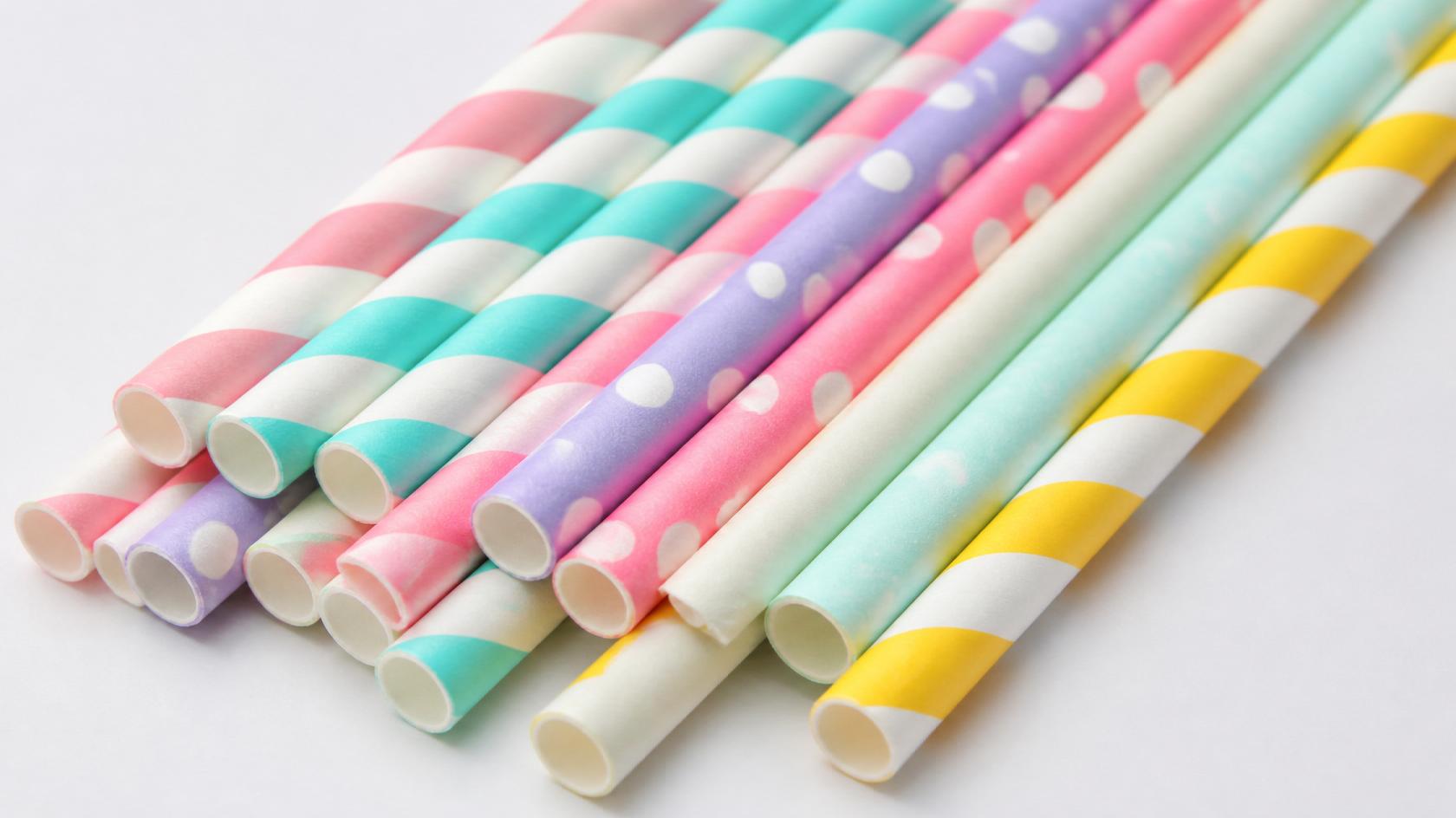
Virgin Grade Paper: Holds the majority market share (~60%+) due to its structural stability, food-safe compliance, and liquid resistance without immediate softening.
Recycled Paper: Anticipated to record the highest CAGR as manufacturers optimize cleaning processes and consumer demand grows for circular-economy solutions.
Non-Printed (Standard Plain): Dominates high-volume, cost-sensitive procurement contracts across major food service networks.
Printed & Branded Straws: Experiencing double-digit growth as restaurants leverage customized aesthetics for social media engagement and brand differentiation.
Specialty Straws (U-Shaped & Wide Diameter): Growing fast due to packaged juice box applications (U-shaped) and the popularity of boba/bubble tea (wide diameter).
Early-generation paper straws were criticized for soggy textures and altered beverage tastes. Today, manufacturers use multi-ply paper layers combined with natural, non-toxic water-resistant coatings to maintain structural integrity in cold and acidic drinks for up to 3–4 hours.
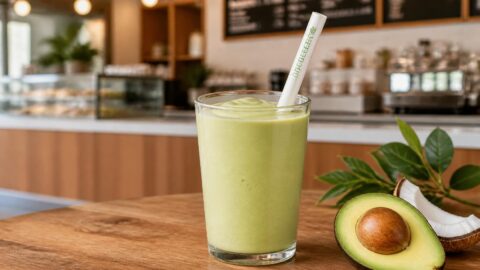
High-quality biodegradable straws allow customers to comfortably enjoy thick blended smoothies without softening or losing structural integrity.
rcing manufacturers to certify products as PFAS-free, compostable, and plastic-coating-free. Third-party eco-certifications (e.g., FSC certified, OK Compost) are becoming essential table stakes for B2B supply contracts.
To reduce long-distance shipping emissions and dodge supply chain disruptions, regional manufacturing hubs are springing up across North America, Europe, and Southeast Asia.
Higher Unit Costs: High-quality paper straws remain significantly more expensive per unit compared to traditional petroleum-based plastic straws, pressing margins for small independent cafes.
Fiber Raw Material Volatility: Fluctuation in pulp and paper raw material prices can directly impact manufacturing margins.
Alternative Bio-materials: Competition is rising from alternative eco-friendly materials such as bamboo, PLA (polylactic acid), wheat, and agave fibers.
Invest in Coating Innovation: Prioritize R&D in plant-based, hydrophobic coatings that enhance liquid durability without compromising industrial or home compostability.
Diversify Product Catalog: Expand product offerings into niche, high-growth segments such as wide-diameter boba straws and flexible U-shaped straws for beverage carton packaging.
Obtain Rigorous Sustainability Certifications: Secure clear certifications (FSC, PFAS-free, ASTM D6400 / EN 13432 compostability) to streamline vendor onboarding with major corporate buyers.