The most common complaint about paper straws — both from consumers and hospitality businesses — is sogginess. The good news: much of this problem comes down to storage, handling, and drink-matching rather than an unavoidable flaw in the product itself. Here’s a practical, step-by-step guide to getting the most out of paper straws.
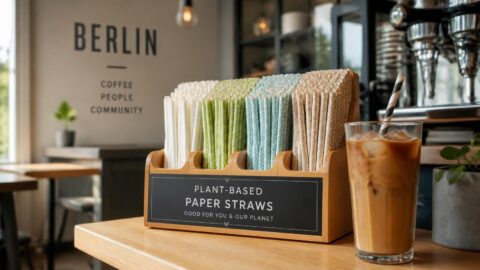
Preventing paper straws from softening prematurely comes down to proper humidity control, climate-managed storage, smart stock rotation, and matching straw specifications to the exact beverage being served.
Paper straws soften through two main mechanisms:
Understanding both factors is key, because even a well-made straw will underperform if it’s already partially humidified before use.
Sogginess complaints often stem from using the wrong straw for the wrong drink rather than a manufacturing flaw:
| Drink Duration | Recommended Straw Type |
|---|---|
| Quick drinks (10–20 minutes) | 2–3 layer standard straws are sufficient |
| Extended drinks (30–60+ minutes) | 3–4 layer coated straws hold up significantly longer |
| Very cold drinks with condensation | Coated straws resist exterior moisture better than uncoated |
| Hot beverages | Straws are rarely recommended for hot drinks at all; if used, only heat-rated coated versions should apply |
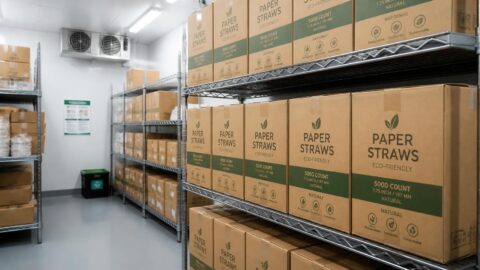
Because paper fibers absorb ambient moisture easily, storing bulk straw inventory in dry, climate-controlled areas away from kitchen steam and implementing first-in, first-out (FIFO) rotation ensures maximum structural integrity before use.
How long should a good-quality paper straw last in a drink before softening? A well-made 3-layer coated straw typically holds structural integrity for 45–60 minutes in cold beverages; thinner or uncoated straws may soften within 15–20 minutes.
Does refrigerating straws before use help them last longer? Not meaningfully — the key factor is ambient humidity exposure before use and moisture absorption during use, not temperature alone.
Can businesses extend straw life by using two straws at once? This is a common workaround for particularly thick drinks or extended service times, though it increases cost and isn’t a substitute for choosing an appropriately sturdy straw in the first place.
Is there a way to make paper straws waterproof without affecting compostability? Bio-based lacquer coatings offer a middle ground — improved water resistance while still meeting most compostability certification standards, unlike traditional wax or plastic-based coatings.
Sogginess isn’t an unavoidable flaw of paper straws — it’s largely a function of storage practices, straw selection, and usage habits. With the right combination of proper storage, appropriate straw specifications for the drink at hand, and a few simple handling adjustments, both businesses and consumers can significantly extend how long a paper straw performs well.
