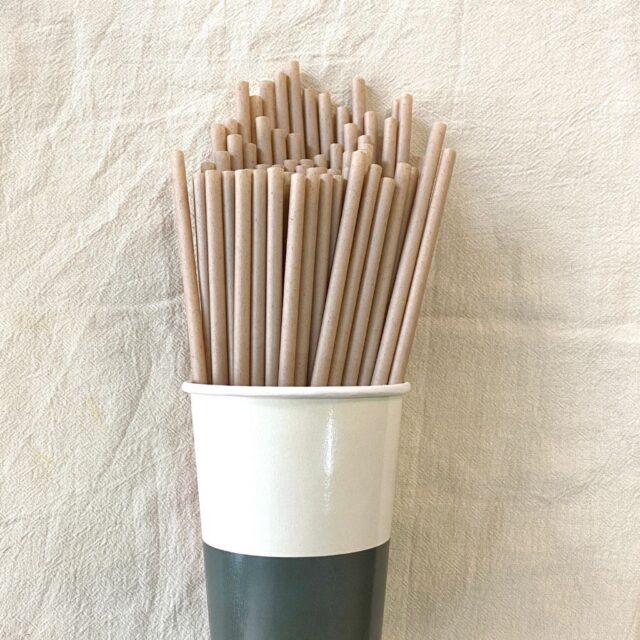
Bacolod City, capital of Negros Occidental and long known as the heart of the Philippines’ sugar industry, presents one of the more materially distinctive stories within the country’s paper straws philippines landscape — a place where the province’s centuries-old sugarcane economy creates a genuinely relevant, if still underdeveloped, connection to sustainable straw material sourcing.
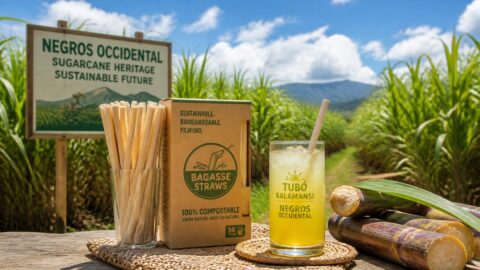
As the heart of the Philippines’ sugar industry, Bacolod possesses an abundant, currently underutilized agricultural byproduct—bagasse—that theoretically offers significant potential for local compostable straw manufacturing.
Negros Occidental has been the epicenter of Philippine sugar production for generations, with vast sugarcane plantations surrounding Bacolod supplying a significant share of the country’s sugar output. This agricultural specialization generates enormous volumes of bagasse — the fibrous pulp byproduct left after sugarcane juice extraction — a material increasingly used elsewhere in the world as a raw input for compostable straws and food packaging.
| Factor | Bacolod/Negros Situation |
|---|---|
| Bagasse availability | Abundant, generated continuously by sugar milling |
| Current primary use | Mostly burned as boiler fuel at sugar mills |
| Straw manufacturing potential | Largely untapped commercially |
| Regional precedent | Similar to how other sugar regions globally supply bagasse packaging industries |
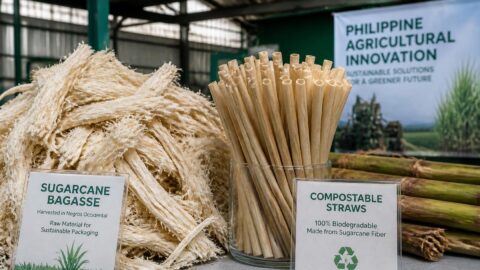
While the vast majority of bagasse generated by Negros Occidental’s sugar mills is currently burned as boiler fuel, researchers and local entrepreneurs are increasingly exploring its potential as a sustainable raw material for compostable food packaging and straws.
Despite the sheer volume of bagasse generated by Negros Occidental’s sugar industry, most of this material continues to be used primarily as fuel for powering sugar mill boilers rather than being diverted toward value-added applications like compostable straw manufacturing. Developing dedicated bagasse-to-straw processing capability would require meaningful new investment and technical capability that, to date, hasn’t emerged at significant commercial scale in the Bacolod area specifically.
Bacolod’s world-famous MassKara Festival, one of the Philippines’ most celebrated cultural celebrations known for its colorful masks and street dancing competitions, draws massive crowds each October and creates a significant seasonal surge in food and beverage vending throughout the city, similar to festival-driven demand patterns documented in other Philippine cities like Iloilo’s Dinagyang celebration.
Bacolod’s iconic chicken inasal, the city’s signature grilled chicken dish, is typically served as part of full meals alongside rice and dipping sauces, with beverages generally ordered separately in bottles or simple cups rather than through elaborate straw-dependent drink formats — meaning this defining culinary tradition, similar to noodle and grilled-food cultures elsewhere in the Philippines, carries relatively modest direct straw dependency of its own.
Some agricultural and business researchers connected to Negros Occidental’s universities have periodically expressed interest in exploring value-added bagasse applications beyond fuel use, including potential packaging materials, reflecting broader regional conversations about diversifying the sugar industry’s economic outputs beyond raw sugar production alone, though concrete commercial straw manufacturing ventures specifically remain limited to date.
Beyond the bagasse potential specifically, Bacolod’s everyday F&B adoption of standard paper straws follows patterns generally similar to other mid-sized Philippine provincial capitals — mall-based businesses and international chains adopting relatively quickly, while traditional carinderias and inasal restaurants show more gradual, cost-sensitive uptake consistent with nationwide trends.
Bacolod’s bagasse situation bears an interesting resemblance to Sarawak’s underutilized sago starch potential within Malaysia’s own compostable straw landscape — both regions sit atop substantial, currently underexploited agricultural byproduct resources theoretically well-suited to sustainable packaging production, yet both remain largely untapped due to the investment and technical capability gaps required to translate raw material abundance into actual commercial manufacturing.
Is bagasse from Negros Occidental’s sugar industry currently used for straw production? Not at significant commercial scale — most bagasse continues to be used as fuel for sugar mill boilers rather than diverted toward packaging manufacturing.
Why hasn’t Bacolod’s sugar industry moved into bagasse straw production yet? Developing dedicated processing capability requires meaningful new investment and technical expertise that hasn’t yet emerged at significant scale in the region specifically.
Does chicken inasal culture involve much straw usage? Generally minimal — this signature dish is typically served with beverages ordered separately in bottles or simple cups rather than elaborate straw-dependent formats.
Bacolod’s paper straw story represents one of the more intriguing possibilities within the Philippines’ broader compostable packaging landscape — a region with genuinely abundant, currently underutilized agricultural byproduct resources that could theoretically support meaningful local sustainable straw manufacturing. Whether Negros Occidental’s substantial sugar industry ever pivots meaningfully toward this opportunity remains an open question, but it represents a distinctive, material-specific angle within Bacolod’s broader relationship to the sustainability conversation reshaping Philippine food and beverage packaging.