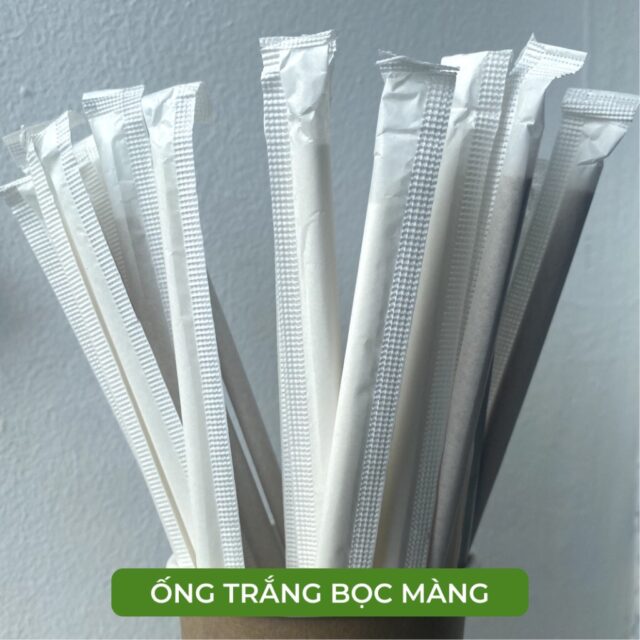
As the historic and political heart of Metro Manila, the City of Manila anchors the Philippines’ paper straws philippines story within one of Southeast Asia’s most densely populated urban environments — a place where the sheer scale of daily commerce, street food culture, and shopping mall dominance all shape how quickly sustainability changes reach everyday consumers.
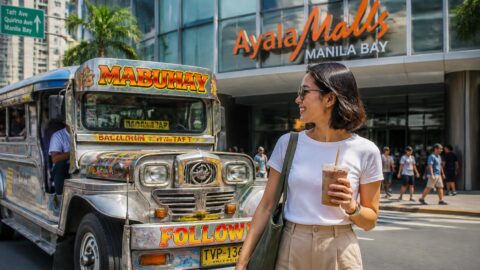
In the heart of Metro Manila, where intense urban density, iconic jeepney commuter culture, and gleaming shopping malls intersect, the shift to paper straws highlights a sprawling city of striking contrasts between formal retail and informal commerce.
Manila’s extraordinary population density — among the highest of any city in the world — creates unique logistical considerations for any packaging transition. With enormous volumes of daily food and beverage transactions happening across street vendors, carinderias, and fast food chains packed into a compact urban footprint, even small shifts in packaging material generate outsized cumulative demand for suppliers.
| Venue Type | Adoption Level | Key Driver |
|---|---|---|
| SM and Ayala mall food courts | High | Mall-wide sustainability policies |
| International fast food chains | High | Global brand standards |
| Street food (fishball, isaw vendors) | Low to minimal | Beverages rarely central to offering |
| Carinderias (local eateries) | Mixed, gradual | Cost sensitivity |
| Sari-sari store beverage sales | Low | Informal, bottled/packaged drinks common |
Manila’s iconic jeepneys and the broader commuter culture built around them have shaped distinctive on-the-go beverage consumption patterns, with many commuters purchasing drinks from street vendors near terminals and stations for consumption during transit. This mobile, fast-paced consumption style has generally favored bottled and sealed beverages over straw-dependent drinks, somewhat naturally limiting straw demand within this specific commuter-driven segment of the city’s food and beverage economy.
Manila’s massive Divisoria market district, one of the country’s largest wholesale and retail trading hubs, hosts countless small beverage vendors serving the market’s dense daily foot traffic. Given the highly cost-sensitive, high-volume nature of vending in this environment, paper straw adoption here has generally lagged behind more formal retail settings, reflecting similar patterns seen among informal vendors in other major Southeast Asian cities.
The recently rehabilitated Manila Baywalk area, along with waterfront developments near Roxas Boulevard, has become an increasingly popular destination for both locals and tourists, with F&B businesses in this more tourism-visible corridor generally showing faster, more consistent paper straw adoption than the city’s denser inland commercial districts.
Manila’s University Belt district, home to numerous major universities and a massive daily student population, has created a youth-driven consumer segment increasingly vocal about sustainability preferences, similar to patterns seen in other university-dense urban areas across Southeast Asia, gradually influencing nearby café and fast food establishments toward more consistent paper straw adoption.
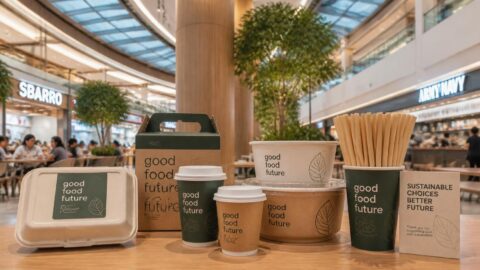
While informal street vendors remain cost-sensitive and slow to adopt alternatives, major Metro Manila shopping malls and international fast food chains have driven rapid, high-volume paper straw adoption across the city’s formal retail sector.
Does Manila have its own local ordinance on plastic straws? Various Metro Manila cities, including Manila itself, have introduced local ordinances and guidelines encouraging reduced single-use plastics, operating within the Philippines’ broader decentralized, city-by-city regulatory approach.
Do street food vendors in Manila use paper straws? Generally minimal adoption — much of Manila’s iconic street food culture, including fishball and isaw vendors, doesn’t center around straw-dependent beverages to begin with.
Is Manila ahead of other Philippine cities in paper straw adoption? Largely yes in its formal retail and mall sectors, though its massive informal vending economy, including areas like Divisoria, shows considerably slower adoption patterns.
As Metro Manila’s various cities continue refining their own local ordinances, Manila’s central position within the broader metropolitan area means changes here often carry outsized visibility, even as the practical challenge of reaching its enormous informal economy remains one of the more persistent obstacles to truly comprehensive citywide adoption.
Manila’s paper straw story reflects the city’s broader character as a place of striking contrasts — gleaming, sustainability-forward shopping malls existing just blocks from dense, cost-driven informal markets where packaging material remains a lower priority than sheer affordability and speed. As Metro Manila’s mall operators and international chains continue pushing sustainability standards forward, expect this gap between Manila’s formal and informal economies to remain one of the more persistent dynamics shaping the city’s overall transition.