Singapore’s coastline, stretching from the Southern Islands to the mangroves of Sungei Buloh Wetland Reserve, sits at the intersection of a bustling international shipping hub and a surprisingly rich marine ecosystem. This proximity has made marine plastic pollution a visible, tangible issue for local conservation groups, and paper straws have become an unexpectedly effective entry point for environmental education efforts aimed at connecting everyday consumer choices to the health of Singapore’s coastal waters.
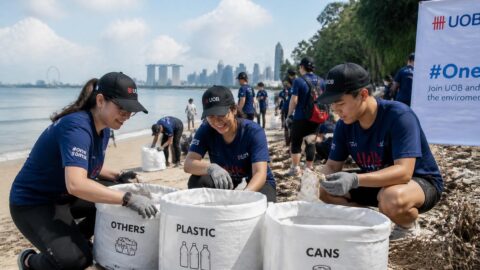
Stretching from East Coast Park to the Southern Islands, Singapore’s coastal cleanups use recognizable items like plastic straws as an effective entry point for marine conservation education.
As one of the world’s busiest ports, Singapore’s waters see enormous volumes of shipping traffic, and marine debris — including plastics that wash in from regional currents as well as locally generated waste — remains an ongoing concern for organizations monitoring coastal health. Beach cleanups organized by groups like the Singapore branch of the International Coastal Cleanup and local NGOs such as the Marine Conservation Group regularly catalog plastic straws among the debris collected along beaches at East Coast Park, Pasir Ris, and the Southern Islands, even though straws typically represent a small fraction of total plastic waste by weight compared to larger items like fishing gear and packaging.
Despite their relatively modest contribution to overall marine debris volume, straws have become a recognizable, easily identifiable item in beach cleanup data, making them a useful data point for conservation groups seeking to illustrate the connection between everyday consumer habits and downstream environmental impact.
| Debris Category | Relative Volume | Public Visibility |
|---|---|---|
| Fishing gear | High | Lower |
| Packaging & plastic bags | High | Moderate |
| Plastic straws | Low | High |
| Bottles & containers | High | Moderate |
| Cigarette butts | Moderate | Lower |
Straws represent a small fraction of total debris by weight but remain one of the most recognizable and easily counted items — making them useful for public data collection and awareness campaigns, even when they aren’t the largest contributor to the overall problem.
Singapore’s Ministry of Education has increasingly incorporated environmental sustainability themes into school curricula, and paper straws have emerged as a popular, hands-on teaching tool for introducing younger students to concepts around plastic pollution and marine conservation. Several primary and secondary schools have run classroom activities comparing the decomposition timelines of plastic versus paper straws, using the comparison as an accessible entry point into broader discussions about single-use plastics and their environmental lifecycle.
Environmental education organizations, including the Public Utilities Board’s water conservation outreach programs and NGO-led school visits, have used straw-related demonstrations and beach cleanup field trips to help students connect the dots between drinking a beverage at home and the potential downstream impact on Singapore’s coastal ecosystems and marine life, including sea turtles and other species vulnerable to plastic ingestion.
Local conservation organizations have used the visibility of the plastic straw debate — amplified globally by viral images of marine animals affected by plastic debris — as a launching point for broader public awareness campaigns about marine conservation in Singaporean waters specifically. Campaigns have highlighted local marine biodiversity, including seagrass meadows off Pulau Semakau and coral reefs around the Southern Islands, as ecosystems potentially affected by plastic pollution, helping make an often abstract global issue feel more immediate and locally relevant to Singaporean audiences.
Volunteer-led citizen science programs, including regular beach cleanup and waste categorization initiatives, have also incorporated straw counts into their public reporting, providing tangible, quantifiable data that conservation groups use in advocacy efforts directed at both businesses and policymakers.
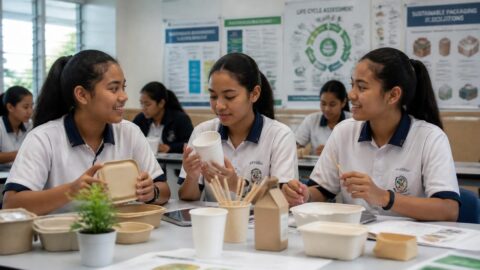
Incorporating sustainability into school curricula, Singapore’s educators use paper straws as a hands-on teaching tool to connect everyday consumer choices with marine ecosystem health.
Environmental educators and conservation advocates in Singapore have generally been careful to frame paper straws as a starting point for awareness rather than a complete solution to marine plastic pollution, recognizing that broader systemic issues — including industrial waste, shipping-related debris, and regional waste management practices across Southeast Asia — play a far larger role in the health of Singapore’s waters than individual straw choices alone.
This nuanced framing has shaped how many conservation-focused campaigns approach the topic, using paper straws as an accessible, low-barrier entry point for public engagement while directing more substantial advocacy efforts toward larger systemic issues, including corporate packaging responsibility and regional marine debris monitoring collaboration.
Do plastic straws make up a large share of Singapore’s marine debris? No — by weight, they’re a small fraction compared to fishing gear and packaging, but their visibility makes them a useful public awareness tool for conservation campaigns.
How do conservation groups use straws in advocacy? Beach cleanup organizations often count and report straws as recognizable data points, even while directing more advocacy toward larger systemic issues like corporate packaging responsibility.
Are paper straws considered a full solution to marine plastic pollution? No — environmental educators generally frame them as a starting point for awareness, not a complete fix for the broader marine debris problem facing Singapore’s waters.
How can I get involved in marine conservation efforts in Singapore? You can join volunteer beach cleanups, participate in citizen science programs, or support school-based environmental education initiatives run by local NGOs and government agencies.
For a country whose identity is deeply tied to its role as a global maritime and trading hub, marine conservation carries particular resonance, and paper straws have proven to be a surprisingly effective gateway topic for building broader public engagement with ocean stewardship. As Singapore continues to develop its coastal protection and marine biodiversity initiatives under broader Green Plan 2030 commitments, this small, everyday object is likely to remain a recurring feature in environmental education efforts — a simple, tangible symbol connecting individual daily choices to the long-term health of the waters surrounding this small but globally connected island nation.