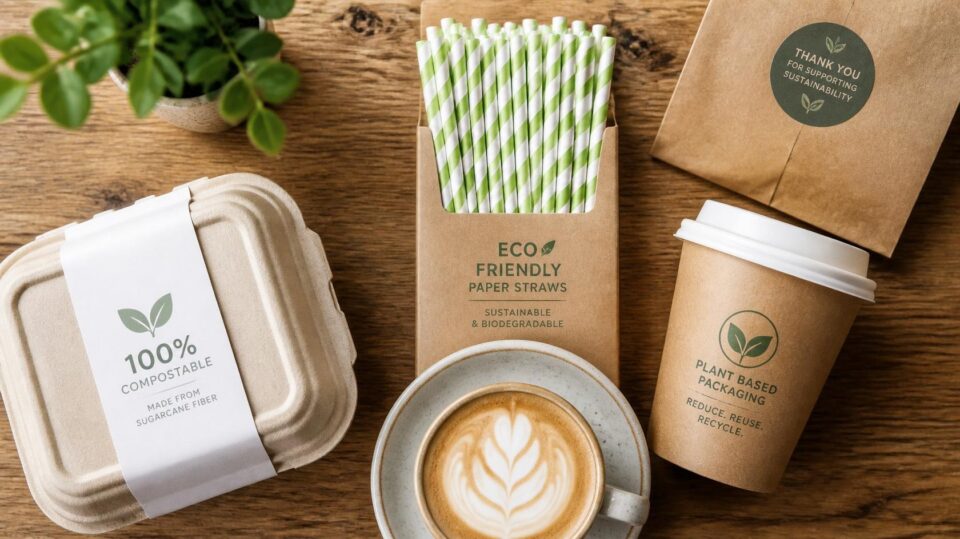
Singapore’s café scene has transformed over the past decade — from a handful of niche coffee shops into a sprawling, design-conscious industry spanning Tiong Bahru, Tanjong Pagar, Joo Chiat, and Holland Village. Alongside this growth, paper straws have emerged as a visible symbol of a café’s environmental values.
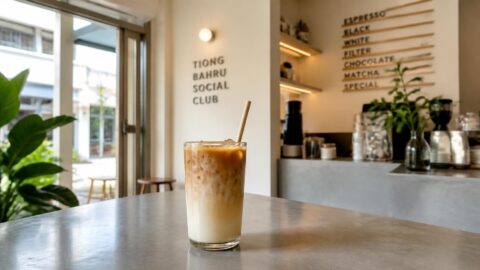
Across Singapore’s vibrant specialty coffee hubs like Tiong Bahru and Joo Chiat, paper straws have become an essential element of modern, sustainability-conscious cafe design.
| Motivation | Description |
|---|---|
| Brand identity | Aligns with minimalist, plant-forward café aesthetics |
| Customer expectations | Increasingly seen as a baseline, not a bonus |
| Market differentiation | Helps stand out in Singapore’s saturated café market |
| Marketing value | Sourcing stories used in menus and social media |
For modern Singapore cafes, adopting eco-friendly packaging and paper straws reinforces minimalist brand identity while meeting evolving customer expectations.
Do all cafés in Singapore use paper straws? No — adoption is voluntary and varies widely, though it’s increasingly common in mid-to-premium specialty cafés.
Are paper straws more expensive for café customers? Usually the cost is absorbed into overall pricing rather than charged separately, though some cafés do add a small surcharge.
What alternatives exist besides paper straws? Some cafés offer reusable steel or bamboo straws for dine-in guests, or sip-through lids that eliminate the need for a straw altogether.
As Singapore’s café culture matures, expect more experimentation — reusable straw programs for dine-in customers, and partnerships with local startups producing straws from agricultural waste like rice husks or sugarcane bagasse. For café-goers, the humble paper straw has become an unassuming marker of a much larger cultural shift toward sustainability.