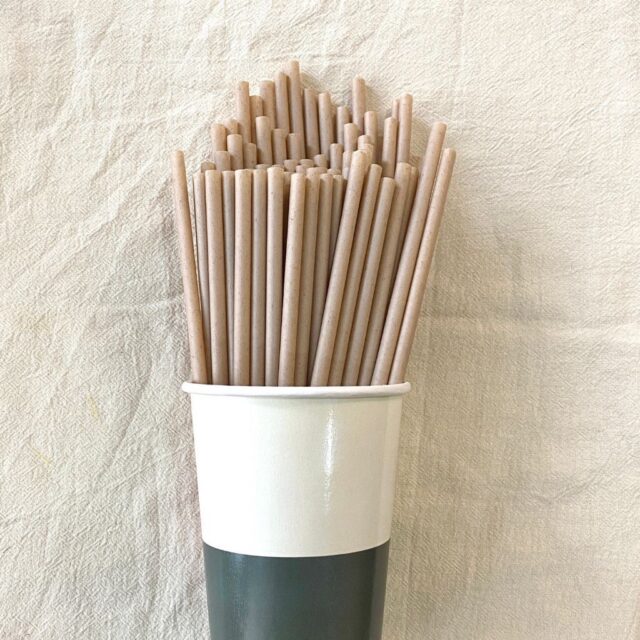
With plastic straw bans now in force across most Australian states, sourcing a reliable, compliant supply of compostable straws has become a genuine operational priority for hospitality businesses — not just an optional upgrade. Here’s how to find the right supplier for your business size and needs.
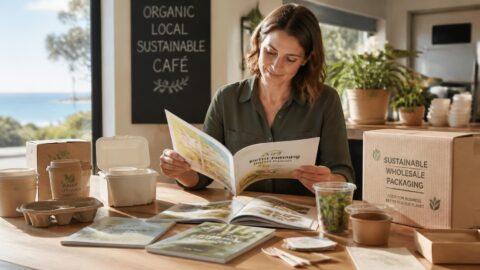
Navigating Australia’s mature compostable straw market requires a structured sourcing approach. By matching your volume to the right distribution path—whether local distributor, regional manufacturer, or group purchasing—you can secure reliable, compliant supplies effectively.
A growing number of Australian-based companies now manufacture or distribute compostable foodservice packaging domestically, including straws made from local or imported sugarcane bagasse, wheat straw, and PLA.
Pros:
Cons:
Many compostable straws sold in Australia are manufactured in Southeast Asia or China, then imported by Australian distributors or directly by larger businesses.
Pros:
Cons:
Some state hospitality associations and franchise groups negotiate bulk supply arrangements for compostable packaging, including straws, on behalf of member businesses.
Pros:
Cons:
| Sourcing Route | Typical MOQ | Lead Time | Best For |
|---|---|---|---|
| Local Australian distributor | 500–5,000 units | 2–7 days | Independent cafés, small venues |
| Regional/overseas manufacturer | 20,000–200,000+ units | 4–8 weeks | Mid-to-large hospitality groups |
| Group purchasing (association) | Varies by group | Varies | Franchise networks, association members |
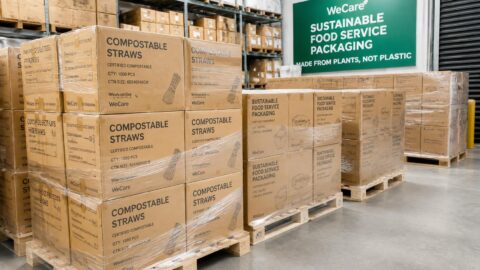
For multi-venue hospitality groups, regional manufacturers often offer the optimal balance between competitive bulk pricing and manageable lead times, ensuring a consistent supply of AS 4736-certified straws.
| Straw Type | Approx. Price per 1,000 Units (AUD) |
|---|---|
| Conventional plastic (where still available for non-hospitality use) | $12–$20 |
| Compostable PLA | $25–$42 |
| Sugarcane bagasse | $22–$38 |
| Paper | $18–$28 |
Pricing varies based on order volume, supplier location, and current freight costs — always request a current quote rather than relying on general benchmarks for budgeting purposes.
Independent café or small venue: Start with a local Australian distributor offering low MOQs, and request samples from at least two suppliers before committing. Bundling straws with other compostable items (cups, lids, cutlery) from the same supplier often improves overall pricing.
Multi-venue hospitality group: Regional overseas manufacturers often provide the best balance of price and lead time at this scale. Negotiate a recurring supply contract to lock in consistent pricing and avoid last-minute sourcing gaps.
Franchise network or association member: Explore group purchasing arrangements first — these often deliver bulk pricing without requiring individual venues to commit to large independent orders.
Is it more cost-effective to buy locally or import compostable straws into Australia? For small-to-mid-size venues, local distributors are often more cost-predictable once shipping, customs, and minimum order requirements are factored in. Direct import typically only becomes more economical at high volumes.
Do I need to source differently depending on which Australian state I operate in? Not necessarily — choosing a supplier with certification recognized nationally (AS 4736 or accepted international equivalents) generally covers compliance needs across all states, though it’s worth confirming against your specific state’s current legislation.
Can I buy compostable straws for personal or small-scale home use in Australia, not just for business? Yes — many supermarkets and eco-lifestyle retailers across Australia now stock smaller retail packs suitable for household use, separate from bulk hospitality supply channels.
Sourcing compostable straws in Australia has become considerably easier as local manufacturing and distribution have matured alongside tightening state regulations. The right sourcing path depends largely on your business size and volume — but in every case, certification verification should come before price comparison.
Compostable straws sourced through a properly vetted Australian supplier give hospitality businesses both regulatory peace of mind and a genuine sustainability upgrade.