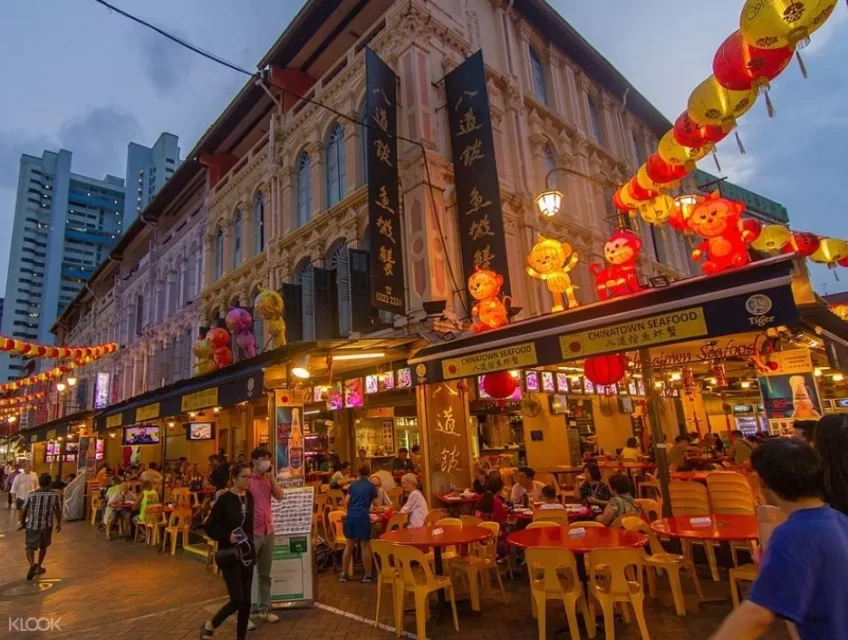
Singapore’s Chinatown is a living museum of the country’s multicultural roots — a district where century-old kopitiams sit beside trendy dessert bars and traditional medicine halls neighbor Instagram-friendly cafés. This clash of old and new makes Chinatown a fascinating microcosm for observing how paper straws have spread unevenly across Singapore’s food and beverage landscape.
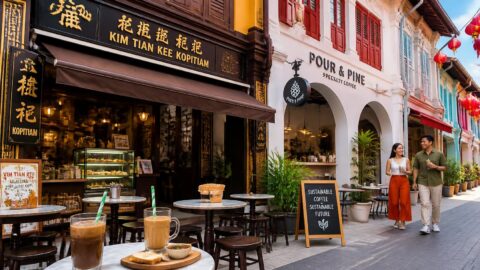
In Singapore’s historic Chinatown, century-old kopitiams sit alongside trendy modern cafes, illustrating an uneven but fascinating grassroots transition toward paper straws.
Chinatown’s F&B scene can be broadly split into two categories, each with a distinct relationship to paper straws:
| Drink | Typical Vendor Type | Straw Trend |
|---|---|---|
| Kopi-O (black coffee) | Traditional kopitiam | Often no straw needed |
| Teh Peng (iced milk tea) | Traditional kopitiam | Mixed adoption |
| Sugarcane juice | Street-side stall | Thicker paper straws where adopted |
| Mango sago dessert drink | Modern dessert bar | High paper straw adoption |
| Bubble tea | Modern kiosk | Boba-grade paper straws standard |
Many of Chinatown’s oldest beverage stalls operate as family businesses passed down through generations, often with tight margins and long-established routines that don’t easily accommodate packaging changes. Owners of these heritage stalls have cited several specific concerns:
For a broader look at how hawker-style vendors across Singapore are navigating this same tension, see our related article on paper straws Singapore.
In contrast, Chinatown’s newer wave of specialty cafés and dessert bars — many clustered around Ann Siang Hill and Club Street — have embraced paper straws as part of a broader aesthetic and sustainability-forward brand identity, similar to trends seen across Singapore’s wider café scene, explored further in our piece on paper straws Singapore.
These newer businesses often serve as informal models for neighboring heritage stalls, with some traditional operators reporting they made the switch to paper straws partly after observing successful adoption by nearby modern cafés without significant customer pushback.

While heritage kopitiams face unique cost and logistical pressures, second-generation owners are increasingly bridging the gap between traditional service and modern sustainability standards.
Chinatown remains one of Singapore’s most visited heritage districts, drawing tourists eager to experience “authentic” local food culture. This creates an interesting dynamic: some tourists specifically seek out the traditional, unpolished character of heritage kopitiams, including their continued use of plastic straws, viewing it as part of the authentic experience — while other visitors, particularly those from markets with strong plastic reduction norms, view continued plastic use as a missed sustainability opportunity.
The Chinatown Business Association, alongside National Environment Agency outreach programs, has run periodic sustainability workshops targeting heritage F&B operators, aiming to ease the transition through subsidized starter packs of paper straws and simplified supplier introductions. Uptake has been gradual but steady, particularly among second-generation stall owners taking over family businesses and bringing fresh perspectives on packaging and branding.
Do Chinatown’s traditional kopitiams use paper straws? Adoption varies significantly — many heritage stalls still use plastic straws, while a growing number, particularly those run by younger successors, have switched to paper.
Are modern Chinatown cafés more likely to use paper straws than traditional stalls? Generally yes — newer cafés and dessert bars tend to adopt paper straws earlier as part of their overall brand and sustainability positioning.
Is there a specific program helping Chinatown vendors switch to paper straws? Business associations and government agencies have run periodic outreach and subsidized starter programs, though adoption remains voluntary rather than mandatory.
Chinatown’s character shifts noticeably during major festive periods, particularly Chinese New Year, when the district’s streets fill with temporary stalls, night markets, and a significant surge in both tourist and local foot traffic. These seasonal stalls, often set up by vendors from outside the immediate neighborhood, add another layer of variability to straw practices, since temporary operators may not have the same established supplier relationships or sustainability commitments as permanent Chinatown businesses, resulting in a noticeably mixed picture during peak festive periods compared to quieter times of year.
Chinatown’s uneven paper straw adoption offers a revealing snapshot of Singapore’s broader sustainability journey — one where tradition, cost, and generational change all shape how quickly even small packaging shifts take hold. As younger operators increasingly take over heritage businesses, expect the gap between old and new to continue narrowing in the years ahead.