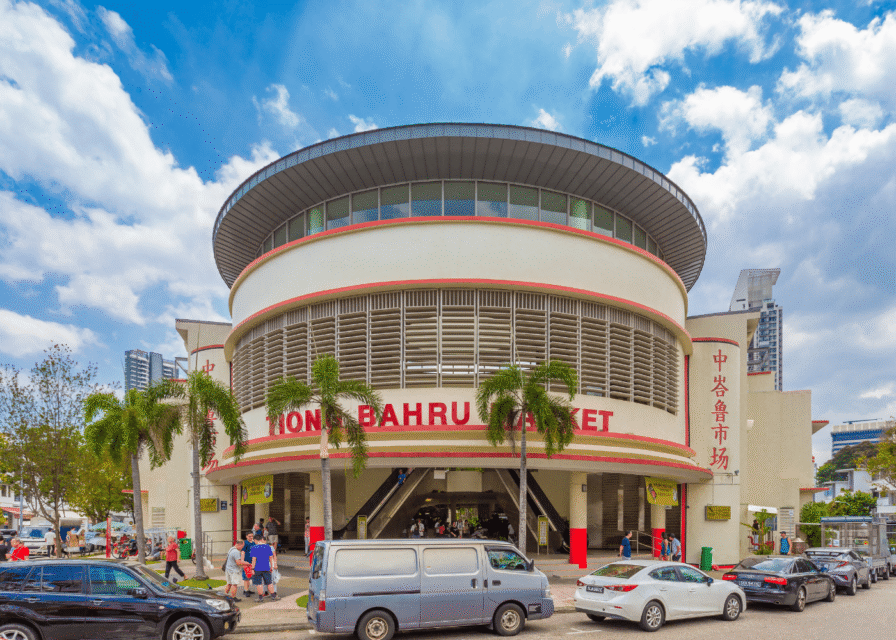
Tiong Bahru, Singapore’s oldest public housing estate and a haven of art deco architecture, has quietly become one of the most sustainability-forward neighborhoods in the country when it comes to café culture. Long before paper straws became common across Singapore, independent cafés and bakeries in this low-rise heritage district were already experimenting with eco-conscious packaging as part of their brand identity.
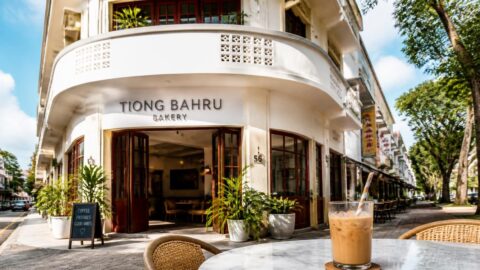
Long before paper straws became common across Singapore, independent cafes and bakeries in Tiong Bahru’s historic art deco estate were already pioneering eco-conscious packaging.
Several factors converged to make Tiong Bahru an unlikely pioneer:
| Café Type | Typical Straw Practice | Notable Feature |
|---|---|---|
| Independent specialty coffee shops | Paper straws standard | Often locally roasted beans |
| Bakery-cafés | Paper straws for cold drinks | Known for pastries and artisan bread |
| Hawker centre drink stalls | Increasingly paper, some still plastic | Traditional local beverages |
| Wine bars and bistros | Rarely straw-dependent | Focus on glassware presentation |
Tiong Bahru’s compact, walkable layout means cafés operate in close proximity to one another, creating a visible peer effect. Once a handful of well-known cafés adopted paper straws and publicized the choice, neighboring businesses faced informal pressure to follow suit or risk appearing less sustainability-conscious to a discerning local customer base. This mirrors broader dynamics discussed in our article on paper straws Singapore, where brand identity and peer visibility play an outsized role in adoption speed.
Unlike many other hawker centres across Singapore, Tiong Bahru Market’s drink stalls were among the earliest to shift toward paper straws, partly influenced by the surrounding neighborhood’s broader sustainability culture. For more on how hawker centres nationwide have approached this transition, see our related piece on paper straws Singapore.
Tiong Bahru’s identity rests heavily on its preserved art deco shophouses and pre-war architecture, and some longtime residents have noted an interesting tension: a neighborhood defined by heritage preservation has simultaneously become a leader in embracing modern sustainability trends. Business owners in the area have generally framed this as complementary rather than contradictory — preserving physical heritage while updating operational practices to reflect contemporary values.
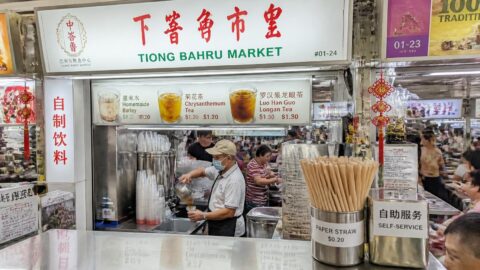
As one of Singapore’s earliest hawker centres to embrace sustainable packaging, Tiong Bahru Market’s drink stalls successfully bridged traditional local refreshments with modern eco-friendly standards.
Why did Tiong Bahru adopt paper straws earlier than many other Singapore neighborhoods? A concentration of independent cafés, a design-conscious resident base, and strong social media visibility combined to accelerate adoption well ahead of broader trends.
Do Tiong Bahru Market’s hawker stalls use paper straws? Many do, making it one of the more consistently early-adopting hawker centres in Singapore, though individual stall practices still vary.
Is Tiong Bahru representative of broader trends across Singapore? Not entirely — its adoption happened faster and earlier than most neighborhoods, making it more of a leading indicator than a typical example.
Business associations and sustainability advocates elsewhere in Singapore have occasionally pointed to Tiong Bahru as an informal case study when encouraging paper straw adoption in other districts. Several recurring lessons emerge from the neighborhood’s experience:
As property prices and rents in Tiong Bahru have risen alongside its popularity, some longtime residents and business owners have expressed concern about the neighborhood’s evolving character, balancing preservation of its original working-class heritage with its newer identity as a design and lifestyle destination. Sustainability practices, including paper straws, have generally been folded into this broader narrative of thoughtful, values-driven neighborhood evolution rather than viewed as a separate or isolated trend.
Despite its modest size, Tiong Bahru has punched well above its weight in shaping Singapore’s café sustainability culture. As a proving ground for eco-conscious packaging choices later adopted more broadly across the city, this heritage estate offers a useful case study in how small, tightly-knit communities can accelerate sustainability trends well ahead of citywide or national timelines.