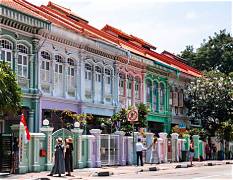
Joo Chiat and neighboring Katong form one of Singapore’s most culturally distinctive districts, celebrated for their Peranakan shophouses, colorful architecture, and status as the spiritual home of dishes like katong laksa. This heritage-rich area, long associated with multi-generational family businesses, offers a particularly nuanced case study in how paper straws intersect with deeply rooted culinary tradition.
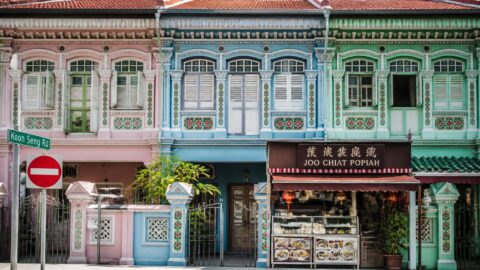
In Singapore’s historic Peranakan heartland of Joo Chiat and Katong, vibrant shophouses and multi-generational family food stalls are navigating a careful balance between culinary tradition and modern sustainability.
Unlike newer café districts built around contemporary branding, Joo Chiat and Katong’s F&B identity centers on decades-old recipes and family-run establishments, many specializing in Peranakan (Straits Chinese) cuisine. Traditional beverages served alongside iconic dishes include:
| Vendor Type | Straw Adoption Pace | Key Consideration |
|---|---|---|
| Multi-generational laksa stalls | Slower, gradual | Cost sensitivity, established routines |
| Peranakan restaurants (sit-down) | Moderate to high | Dine-in settings reduce straw dependency |
| Modern brunch cafés (East Coast Road) | High, early adopters | Younger clientele, design-forward branding |
| Dessert and ice-cream parlors | High | Visually driven, Instagram-conscious presentation |
East Coast Road, the district’s main commercial spine, illustrates a clear generational and stylistic divide. Toward one end, heritage laksa and Peranakan food stalls continue operating much as they have for decades, while newer stretches have seen an influx of brunch cafés, dessert bars, and specialty coffee shops that closely resemble broader café culture trends discussed in our article on paper straws Singapore.
Family-run establishments in Joo Chiat and Katong often cite similar concerns to those found in Chinatown’s traditional kopitiams, explored in our related piece on paper straws Singapore:
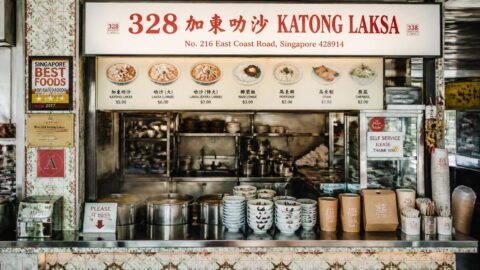
While multi-generational laksa stalls preserve decades-old recipes and traditional service routines, second-generation successors are gradually introducing eco-conscious packaging updates.
Joo Chiat and Katong attract a steady stream of heritage trail tourists and food enthusiasts specifically seeking out “authentic” Peranakan experiences, a dynamic that shapes local business decisions differently than in more mainstream tourist zones. Some visitors express genuine appreciation for encountering unchanged, traditional service — including plastic straws — as part of the authentic heritage experience, creating a more complex dynamic than in districts where sustainability is the primary draw.
As with many heritage districts across Singapore, generational transitions in family-owned businesses have proven to be one of the more reliable predictors of paper straw adoption. Second and third-generation owners taking over family laksa stalls or Peranakan restaurants frequently introduce sustainability-conscious changes alongside other modernization efforts, such as digital payment systems and social media marketing — often citing observation of successful changes at competing or neighboring establishments as a key motivator.
Are laksa stalls in Katong required to use paper straws? No — adoption remains voluntary and varies significantly, with many heritage stalls continuing to use plastic straws while others have gradually transitioned.
Do modern cafés in Joo Chiat use paper straws more consistently than traditional vendors? Yes — newer brunch cafés and dessert bars along East Coast Road generally adopted paper straws earlier and more consistently than long-standing heritage food stalls.
How does tourism affect straw choices in this district? Heritage trail tourists sometimes value authentic, unchanged service experiences, creating a more complex dynamic than in districts where sustainability itself is the primary tourist draw.
Much of Joo Chiat holds conservation status under Singapore’s Urban Redevelopment Authority, protecting its distinctive Peranakan shophouse facades from major structural alteration. While this preservation status primarily concerns architecture rather than business operations, some longtime residents note it reinforces a broader neighborhood culture of careful, deliberate change — one where business owners often weigh new practices, including sustainable packaging, against a strong existing sense of continuity and heritage stewardship.
This cultural backdrop helps explain why paper straw adoption in Joo Chiat and Katong has generally unfolded more gradually than in newer, less heritage-bound districts, even as individual business owners increasingly recognize the sustainability benefits of making the switch.
Conversations with local business owners reveal a broadly consistent theme: most support the idea of sustainable packaging in principle, but timing and cost remain the deciding factors in when they actually implement change. Several stall owners have mentioned waiting for clearer signals of sustained customer demand before committing to supplier changes, reflecting a cautious, relationship-driven approach to business decisions common throughout the district’s tightly-knit commercial community.
Joo Chiat and Katong illustrate a distinctly Singaporean tension: how do deeply rooted culinary traditions accommodate contemporary sustainability expectations without compromising the authenticity that makes them special? As generational transitions continue reshaping the district’s family businesses, expect paper straws to become gradually more common — introduced not as a wholesale rejection of tradition, but as one small update within a much longer story of culinary heritage adapting to changing times.