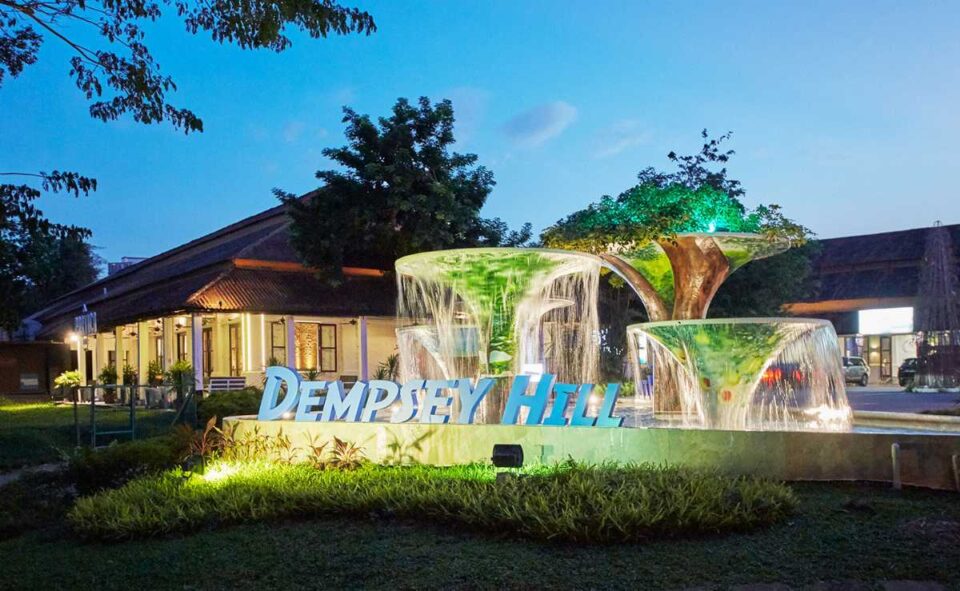
Tucked within lush, tree-lined grounds of a former British military barracks, Dempsey Hill has become one of Singapore’s most distinctive upscale dining destinations — a collection of premium restaurants, wine bars, and garden-set brunch spots surrounded by rain trees and colonial-era black-and-white architecture. This unique setting has shaped a particular approach to sustainable packaging, where paper straws function less as a cost-driven necessity and more as an extension of the district’s nature-immersed, premium brand identity.
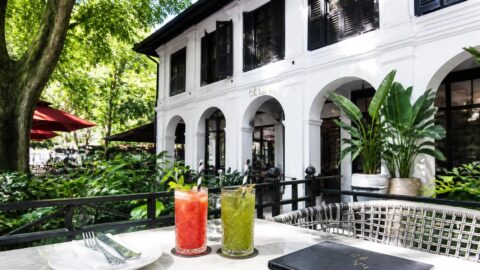
Tucked within lush green grounds of historic colonial barracks, Dempsey Hill’s upscale restaurants and garden-set brunch spots use paper straws to reinforce a natural, eco-conscious dining identity.
Dempsey Hill’s F&B establishments generally operate at a higher price point than most Singapore neighborhoods, catering to a clientele less sensitive to the modest cost premium of paper straws and more attentive to overall dining experience and presentation. This positioning creates a distinctive dynamic compared to budget-conscious hawker centres or high-volume CBD coffee shops.
| Venue Type | Typical Straw Approach | Price Positioning |
|---|---|---|
| Garden-set brunch restaurants | Premium paper or reusable straws | High |
| Wine bars and bistros | Rarely straw-dependent | High |
| Casual café concepts | Standard paper straws | Moderate to high |
| Event and wedding catering | Custom or branded paper straws | Variable, often premium |
Dempsey Hill’s identity as a green, tree-canopied dining enclave creates a natural narrative alignment with sustainability-conscious packaging. Restaurant operators in the district frequently lean into this connection in their marketing, positioning paper straws and similar choices as a natural extension of dining “among the trees” rather than a separate environmental initiative bolted onto an unrelated brand.
Much like Holland Village, Dempsey Hill has developed a strong weekend brunch identity, though positioned at a notably higher price point and drawing a clientele that includes business entertaining, celebratory occasions, and destination dining rather than casual neighborhood visits. For a comparison of how another brunch-heavy district approaches sustainable packaging, see our related article on paper straws Singapore.
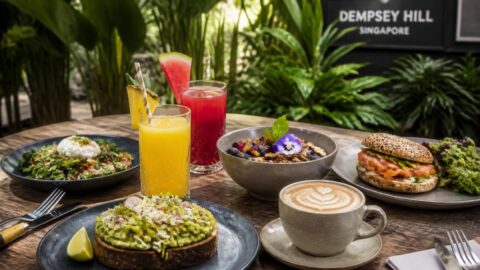
In a premium garden dining context where presentation matters, Dempsey Hill operators invest in high-grade paper straws that complement leisurely brunch experiences.
Several venues at Dempsey Hill double as wedding and corporate event spaces, adding a layer of packaging decision-making beyond daily restaurant service. Event planners and caterers in this space increasingly field client requests for sustainable packaging, including branded or custom paper straws for weddings and corporate functions, reflecting broader trends explored in our article on paper straws Singapore, as some couples and companies specifically seek locally-sourced options for event materials.
Unlike bubble tea or hawker settings where straw functionality is paramount, Dempsey Hill’s premium dining context places relatively more weight on how a straw looks and feels as part of overall table presentation. Restaurant operators have reported sourcing higher-grade paper straws with cleaner finishes, and some upscale venues have shifted toward reusable glass or metal straws specifically to avoid the visual softness associated with standard paper alternatives during longer, leisurely dining occasions typical of the district.
Are Dempsey Hill restaurants more likely to use premium paper straws than standard ones? Yes — given the district’s upscale positioning, many venues invest in higher-grade paper straws or reusable alternatives that align with overall presentation standards.
Do Dempsey Hill venues offer custom branded straws for events? Some event and catering-focused venues do offer custom or branded paper straws for weddings and corporate functions, often sourced from local suppliers.
Why does Dempsey Hill’s setting influence its sustainability approach? Its tree-canopied, garden-like environment naturally reinforces eco-conscious messaging, making sustainable packaging feel like a cohesive extension of the venue’s overall identity rather than a separate initiative.
Dempsey Hill’s black-and-white colonial buildings are protected under conservation guidelines, and the district’s overall redevelopment from military barracks into a dining destination has long been framed around thoughtful adaptive reuse rather than new construction. Restaurant operators frequently note that this broader philosophy of preserving and repurposing rather than demolishing and rebuilding creates a natural conceptual link to sustainability-conscious operational choices, including packaging decisions like paper straws, even though the two forms of sustainability — architectural conservation and single-use plastic reduction — address fundamentally different concerns.
Compared to nightlife-focused riverside venues or high-volume CBD coffee shops, Dempsey Hill’s relatively lower table turnover and emphasis on longer, leisurely dining occasions gives restaurant operators more flexibility to invest in premium sustainable packaging without the same cost-per-unit pressures faced by high-volume vendors elsewhere in Singapore. This has allowed several venues in the district to experiment more freely with higher-grade or reusable straw options than might be economically viable in faster-turnover settings.
Dempsey Hill demonstrates that sustainable packaging decisions aren’t purely about cost or regulation — in a premium, nature-immersed dining context, paper straws become part of a broader aesthetic and experiential narrative. As Singapore’s upscale dining scene continues evolving, expect districts like Dempsey Hill to keep treating sustainability as an integrated element of premium hospitality rather than a standalone operational decision.