Sourcing compostable straws in Singapore used to mean paying a premium for small batches imported from overseas. That’s changed significantly as regional demand has grown. This guide walks through the practical options available to businesses today, from local distributors to bulk import routes.
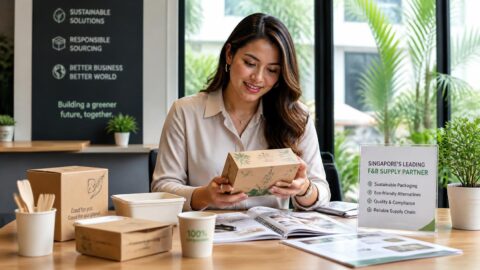
Whether you run a single neighbourhood café or a multi-outlet chain, sourcing compostable straws in Singapore now spans everything from local distributors to regional bulk manufacturers.
A growing number of packaging and F&B supply distributors based in Singapore now stock compostable straws as part of their eco-packaging range, alongside compostable cups, containers, and cutlery.
Pros:
Cons:
Southeast Asia has become a hub for compostable straw manufacturing, particularly for sugarcane bagasse products, given the region’s sugarcane industry.
Pros:
Cons:
Large-scale F&B chains and distributors sometimes import directly from established compostable straw manufacturers overseas.
Pros:
Cons:
| Sourcing Route | Typical MOQ | Lead Time | Best For |
|---|---|---|---|
| Local SG distributor | 500–5,000 units | 3–7 days | Single outlets, cafés, small chains |
| Regional manufacturer (SEA) | 20,000–100,000 units | 3–6 weeks | Mid-size chains, regular bulk buyers |
| Direct overseas import | 100,000+ units | 6–10 weeks | Large F&B groups, distributors |
| Straw Type | Approx. Price per 1,000 Units (SGD) |
|---|---|
| Conventional plastic | S$10–S$18 |
| Compostable PLA | S$22–S$38 |
| Sugarcane bagasse | S$20–S$35 |
| Paper | S$15–S$25 |
Prices fluctuate based on order size, supplier location, and current shipping costs, but this range gives businesses a realistic starting point for budgeting.
Single café or small outlet: Start with a local distributor offering low MOQs. Test 2–3 sample batches before settling on a supplier, and consider bundling straws with other compostable items (cups, lids) from the same vendor for better combined pricing.
Multi-outlet chain: Regional manufacturers often hit the sweet spot between price and lead time. Negotiate a recurring supply contract to lock in pricing and avoid last-minute sourcing scrambles.
Large F&B group or distributor: Direct overseas sourcing typically makes sense here, especially with custom branding needs. Build in buffer time for customs clearance and consider holding safety stock given longer lead times.
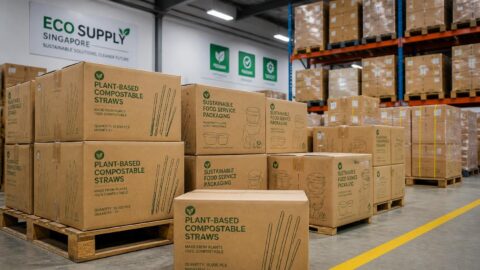
Matching your sourcing route to your actual order volume — from local low-MOQ distributors to direct regional manufacturing — ensures competitive pricing without straining your inventory.
Is it cheaper to buy compostable straws locally or import them directly? For small businesses, local distributors are usually more cost-effective once you factor in shipping, customs, and minimum order requirements. Direct import only becomes cheaper per unit at very high volumes.
Do I need any special import permits to bring compostable straws into Singapore? Standard food-contact packaging import procedures apply; your supplier or freight forwarder can typically guide you through the necessary documentation.
Can I find compostable straws at retail stores in Singapore, not just wholesale? Yes — several supermarkets and eco-lifestyle retailers in Singapore now stock small-pack compostable straws suitable for households or very small-scale use.
Sourcing compostable straws in Singapore is far easier today than it was even a few years ago, with viable options at every business size — from a single neighbourhood café to a nationwide F&B chain. The key is matching your sourcing route to your actual order volume and being rigorous about certification before committing to a supplier.
Compostable straws sourced through the right channel don’t just support sustainability goals — they can be a genuinely manageable part of running an F&B business in Singapore today.