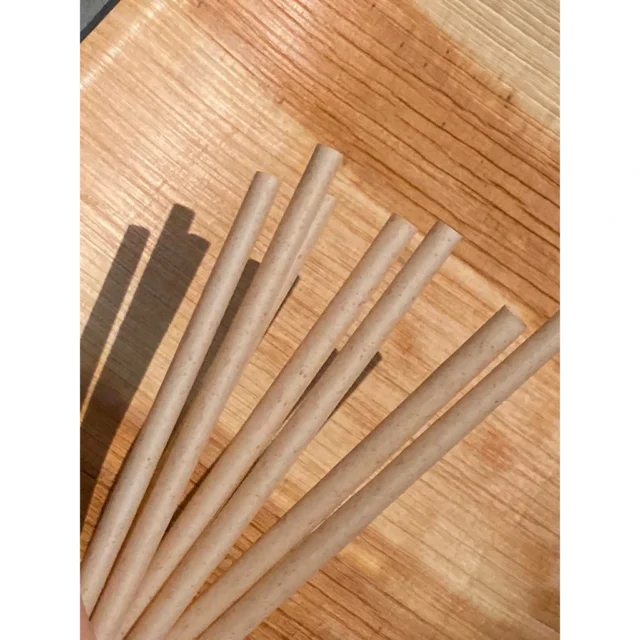
Here’s a question worth asking before buying a single box of compostable straws: what actually happens to them after they’re thrown away in Singapore? The answer is more nuanced than most marketing materials suggest, and it comes down to how Singapore manages waste differently from many other countries.
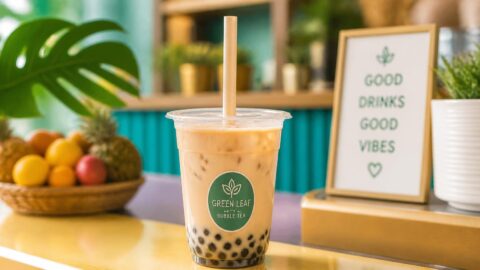
Unlike regions with widespread agricultural composting, Singapore incinerates the vast majority of its general waste, meaning the true end-of-life journey of a compostable straw depends heavily on local infrastructure.
Unlike many countries that rely heavily on landfills, Singapore incinerates the vast majority of its general waste at Waste-to-Energy plants before disposing of the resulting ash at Semakau Landfill, the country’s only landfill site — which itself is expected to reach capacity in the coming years. This system was built primarily for land conservation, not for optimizing organic material breakdown.
What this means for compostable straws: A compostable straw thrown into a general household or office trash bin in Singapore is very likely to be incinerated, not composted. Incineration is very different from composting — it doesn’t return the material to soil, though it does recover energy from the waste, unlike straws sent to landfill in other countries which may sit largely inert.
Composting infrastructure exists, but it’s more limited and specialized than in countries with large-scale agricultural composting programs. Key pathways include:
| Composting Pathway | Description | Accessibility |
|---|---|---|
| NEA-linked food waste initiatives | Programs supporting food waste treatment, sometimes covering compostable packaging in pilot zones | Limited, expanding |
| Private commercial composting services | Companies that collect organic and compostable waste from F&B businesses for a fee | Available mainly in central/business districts |
| Community and estate-level composting | Smaller-scale composting corners in select residential estates, community gardens, and some schools | Growing but geographically limited |
| On-site composting for large campuses | Some hotels, malls, and corporate campuses run their own composting systems | Available at select large properties |
Unless you have specific access to a community composting point or a private collection service, a compostable straw disposed of at home will most likely go through Singapore’s standard incineration-based waste system rather than composting.
Businesses generating consistent straw and food packaging waste have more realistic options — several private waste management companies in Singapore now offer commercial composting or organic waste collection services tailored to F&B outlets. This is the most reliable way for a business to ensure its compostable straws deliver their intended environmental benefit.
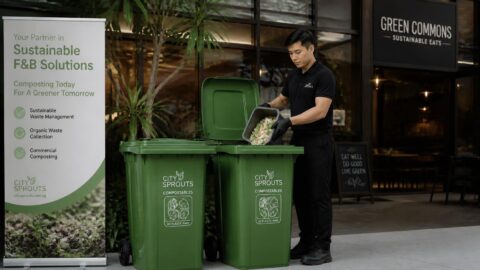
While general household waste goes to incineration, F&B businesses looking to ensure their compostable straws complete a true biological cycle can partner with private commercial composting collection services.
Larger events (weddings, corporate functions, festivals) can sometimes arrange dedicated compost collection with their waste vendor for the day, turning what would otherwise go to incineration into genuine composting volume.
It’s more accurate to say incineration simply doesn’t deliver the same outcome as composting — it’s a different endpoint, not necessarily an environmentally harmful one. Singapore’s Waste-to-Energy plants recover energy from incinerated waste, meaning compostable straws that end up there still avoid the long-term persistence and microplastic fragmentation associated with conventional plastic in less controlled environments. The tradeoff is that they don’t return nutrients to soil the way composting does.
If most compostable straws end up incinerated in Singapore, is switching from plastic still worth it? Yes, for several reasons: compostable straws are made from renewable rather than petroleum-based materials, generally involve a lower production carbon footprint, and don’t contribute to persistent microplastic pollution even when incinerated rather than composted — advantages that hold regardless of the specific end-of-life pathway.
Are there plans to expand composting infrastructure in Singapore? Singapore’s broader sustainability roadmap, including food waste reduction targets under national environmental initiatives, continues to expand organic waste treatment capacity, which may improve composting access over time.
Should businesses avoid compostable straws if they can’t access composting services? Not necessarily — the material and sourcing benefits still apply — but businesses genuinely committed to closing the loop should actively pursue commercial composting partnerships rather than assuming standard waste collection accomplishes the same thing.
What’s the difference between composting and Singapore’s incineration process for these materials? Composting is a biological process that returns organic material to soil as usable nutrients; incineration is a thermal process that recovers energy but doesn’t produce soil-enriching compost.
Singapore’s land-scarce, incineration-based waste system means the “compostable” promise doesn’t play out automatically the way it might in a country with widespread composting infrastructure. That doesn’t erase the value of switching — but it does mean businesses and consumers who want the full environmental benefit need to actively seek out composting pathways rather than assuming standard disposal will do the job.
Compostable straws remain a smart material choice in Singapore, but pairing that choice with the right disposal route is what turns good intentions into genuine impact.