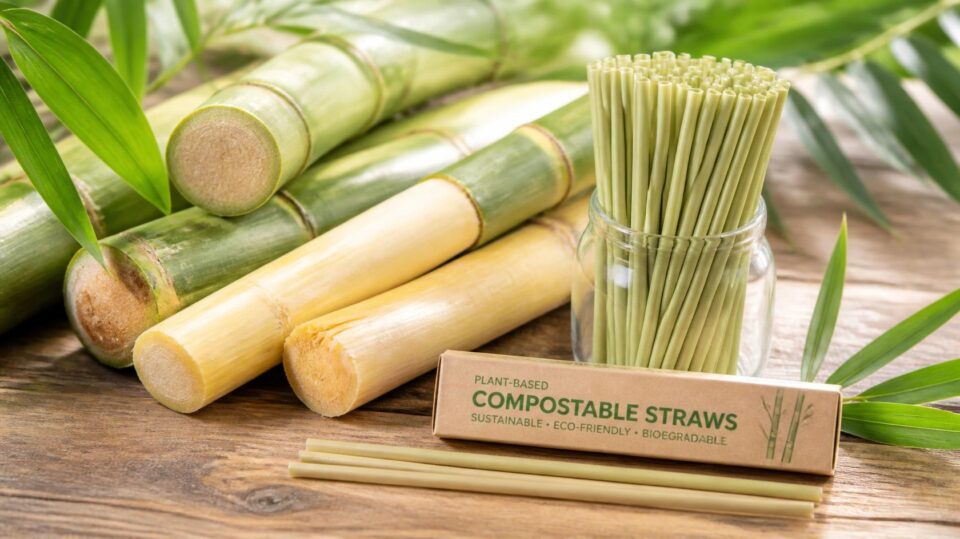
Kota Kinabalu’s position at the edge of Borneo’s rainforest ecosystem creates genuinely distinctive environmental conditions relevant to compostable straws malaysia performance — extreme humidity, high year-round temperatures, and limited industrial composting infrastructure that together shape which materials actually deliver on their compostability promises in this specific tropical setting.
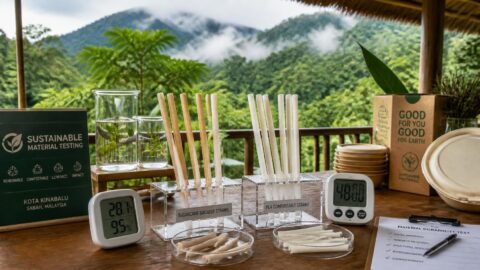
In Kota Kinabalu’s extreme tropical rainforest climate, high humidity and year-round heat test the storage stability and field performance of compostable straws long before they ever reach a beverage.
Sabah’s consistently high humidity, often exceeding levels found even in Peninsular Malaysia’s already-tropical climate, creates accelerated degradation challenges for compostable straws in storage, well before they ever reach a beverage. Businesses in Kota Kinabalu report needing more frequent inventory turnover and more careful sealed storage practices than typically necessary in drier climates, regardless of which specific compostable material they choose.
| Material | Storage Sensitivity | Field Performance Notes |
|---|---|---|
| Unlined paper | High — softens quickly in humid storage | Adequate for quick-service use only |
| PLA | Moderate — more stable than paper in storage | Holds up well for extended use |
| Sugarcane bagasse | Moderate-high | Generally reliable if properly sealed |
| Bamboo | Low — naturally moisture-resistant | Best long-term storage stability |
A genuinely important question for Kota Kinabalu businesses is what actually happens to compostable straws after disposal, given the city’s limited industrial composting infrastructure. Unlike claims suggesting straws will simply “compost naturally,” most PLA-based products specifically require industrial facilities reaching sustained high temperatures — infrastructure not currently available at meaningful scale in Sabah, meaning many compostable straws likely end up in general landfill waste regardless of their certified compostability under laboratory conditions.
Eco-lodges and tour operators serving Sabah’s rainforest and wildlife tourism sector, including businesses near Kinabalu Park and Sepilok, often prioritize materials with genuine environmental credibility over marketing claims alone, given their customer base of environmentally sophisticated eco-tourists who may specifically ask about end-of-life disposal realities rather than simply accepting “compostable” labeling at face value.
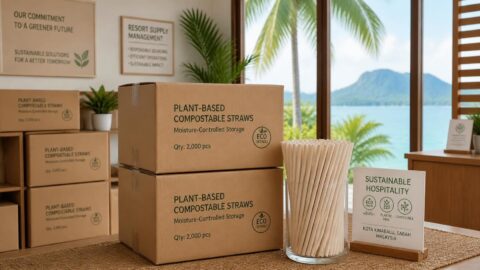
Due to Sabah’s intense humidity, businesses across Kota Kinabalu rely on sealed, moisture-controlled storage practices and frequent inventory turnover to prevent premature material degradation before use.
Tour operators serving Tunku Abdul Rahman Marine Park, given their customer base’s direct exposure to marine conservation messaging, have generally shown increased interest in understanding the genuine end-of-life outcomes of the compostable straws they use, occasionally leading operators to favor materials like sugarcane bagasse that can break down more readily even without specialized industrial composting access, compared to PLA products more dependent on infrastructure Sabah currently lacks.
Sabah’s geographic separation from Peninsular Malaysia adds meaningful logistics complexity to compostable straw sourcing, with longer shipping times and higher freight costs for imported materials compared to Peninsular Malaysian cities with more direct manufacturing and distribution access — a challenge compounded by the additional storage sensitivity created by Sabah’s humid climate during the longer transit period.
Kota Kinabalu shares clear climate and logistics similarities with Kuching’s own tropical, geographically separated position, though Kota Kinabalu’s stronger association with marine and rainforest conservation tourism specifically has created somewhat more consumer-facing scrutiny of genuine end-of-life material outcomes compared to Kuching’s more culinary-tourism-focused market.
Do compostable straws actually break down properly in Kota Kinabalu? It depends significantly on the material — PLA-based straws typically require industrial composting facilities not widely available in Sabah, while materials like sugarcane bagasse may break down more readily even without specialized infrastructure.
Why does humidity matter so much for compostable straws in Sabah? High humidity accelerates material degradation during storage, before the straw is even used, requiring more careful sealed storage and frequent inventory turnover regardless of specific material choice.
Do eco-tourism businesses in Kota Kinabalu research straw disposal outcomes? Many increasingly do, given their environmentally sophisticated customer base, sometimes favoring materials with more realistic end-of-life outcomes given Sabah’s current composting infrastructure limitations.
Kota Kinabalu’s compostable straw story highlights an uncomfortable but important reality: certified compostability under laboratory conditions doesn’t always translate to genuine environmental benefit without matching infrastructure. As Sabah’s tourism sector continues emphasizing environmental authenticity, expect growing pressure on suppliers and businesses alike to move beyond marketing claims toward genuine transparency about what actually happens to compostable straws once they leave the rainforest-adjacent shores of Kota Kinabalu.