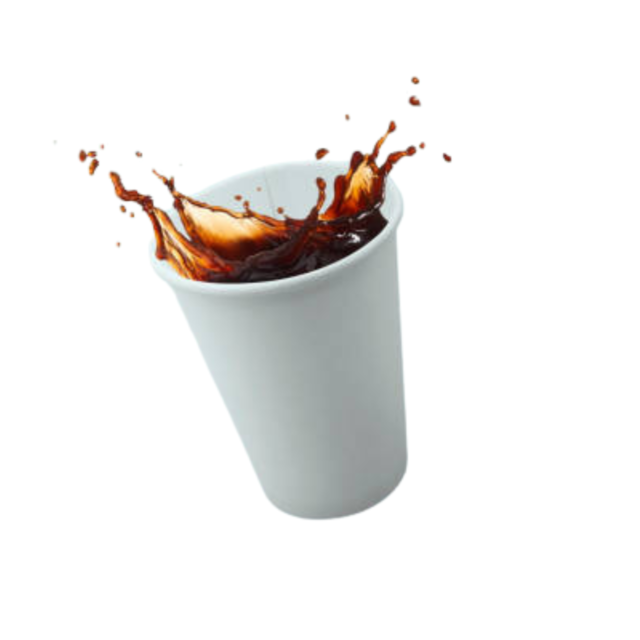
Long before paper straws became a familiar sight across Singapore’s cafés and hawker stalls, paper cups had already quietly become the default vessel for takeaway coffee, bubble tea, and iced beverages throughout the country. As Singapore’s broader sustainability push has intensified, the humble paper cup has come under closer scrutiny — not just for what it’s made of, but for the coatings, linings, and recycling challenges hiding beneath its familiar exterior.
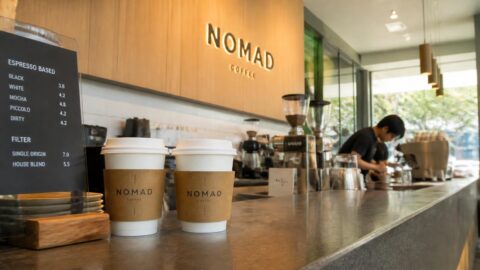
Long before paper straws captured public attention, paper cups had quietly become the default vessel for Singapore’s bustling daily coffee, bubble tea, and takeaway beverage culture.
Singapore generates a significant volume of disposable cup waste each year, driven by a coffee culture, bubble tea obsession, and food delivery boom that together push millions of takeaway beverage orders through the system daily. Unlike straws, which are small and easy to overlook, paper cups make up a much larger share of beverage-related packaging waste by weight — making them a bigger target for sustainability initiatives even though they attract less public attention than their straw counterparts.
| Material | Recyclability in Singapore | Cost | Common Use Case |
|---|---|---|---|
| PE-lined paper cup | Low (needs special facilities) | Low-moderate | Coffee, bubble tea, hawker drinks |
| PLA-lined paper cup | Requires industrial composting | Moderate-high | Premium cafés, eco-branded chains |
| Plastic cup (PET) | Higher (standard recycling) | Low | Cold beverages, bubble tea |
| Reusable cup | N/A (durable) | Higher upfront | Dine-in, personal tumblers |
Singapore’s love affair with coffee — from traditional kopi at hawker stalls to specialty single-origin pour-overs in Tiong Bahru cafés — has made the paper cup an unavoidable fixture of daily life. Coffee chains have increasingly used cup design itself as a branding and sustainability statement, printing eco-messaging directly onto cup sleeves, switching to recycled-content paperboard, and in some cases offering discounts to customers who bring their own reusable cups or tumblers.
Singapore’s National Environment Agency (NEA) has flagged disposable cups and food packaging as a key focus area under the broader Zero Waste Masterplan, given their significant contribution to daily waste volumes compared to smaller items like straws. Several initiatives have emerged in response:
A growing number of Singaporeans now carry personal reusable cups and tumblers, partly encouraged by coffee chains offering modest price discounts — typically a small reduction per order — for customers who skip the disposable cup entirely. This trend has been especially visible among office workers in business districts and students at university campuses, where reusable tumblers have become something of a lifestyle accessory as much as an environmental choice.
Some hawker centres have experimented with reusable cup-return kiosks, allowing customers to borrow a durable cup for their drink and return it at a designated point before leaving, though logistical challenges around cleaning and cup tracking have limited wider rollout so far.
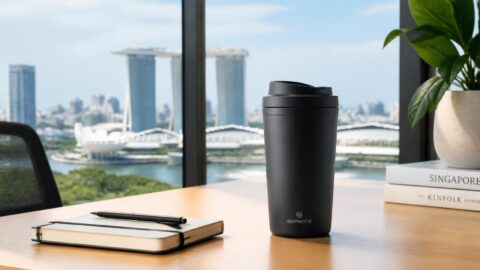
Navigating the complex recycling realities of plastic-lined paper cups, a growing number of Singaporeans and office workers are turning to reusable tumblers and bring-your-own-cup discount schemes.
Can paper cups be recycled in Singapore’s regular blue recycling bins? Generally no — most paper cups have a plastic lining that prevents them from being processed through standard paper recycling streams, so they typically end up as general waste unless a specialized program is available.
Are compostable paper cups actually compostable in Singapore? Only under industrial composting conditions, which remain limited in Singapore. Without access to the right facility, PLA-lined cups may not break down as intended even if labeled compostable.
Do coffee shops in Singapore offer discounts for bringing your own cup? Yes, many specialty coffee chains and some hawker stalls offer a small price discount to customers who bring a reusable cup instead of taking a disposable one.
Is it better to choose paper cups or plastic cups for cold drinks? Neither is a perfect solution — paper cups are often plastic-lined and hard to recycle, while plastic cups are more readily recyclable but contribute to broader plastic waste concerns. The most sustainable option remains a reusable cup where practical.
Paper cups often escape the level of public attention given to straws, largely because straws make for a more visible, easily understood symbol in sustainability conversations. Yet by weight and volume, disposable cups represent a far larger contributor to Singapore’s daily beverage packaging waste — making them an increasingly important focus area as the country works toward its 2030 waste reduction targets under the Zero Waste Masterplan, discussed in more detail in our related article on paper straws Singapore.
As Singapore continues refining its approach to single-use packaging, expect growing attention on cup design, lining materials, and reusable alternatives — likely accompanied by expanded deposit-return trials and stronger incentives for consumers to bring their own cups. While the paper straw conversation captured early public attention, the paper cup may ultimately prove to be the more consequential packaging challenge in Singapore’s ongoing journey toward reduced single-use waste.