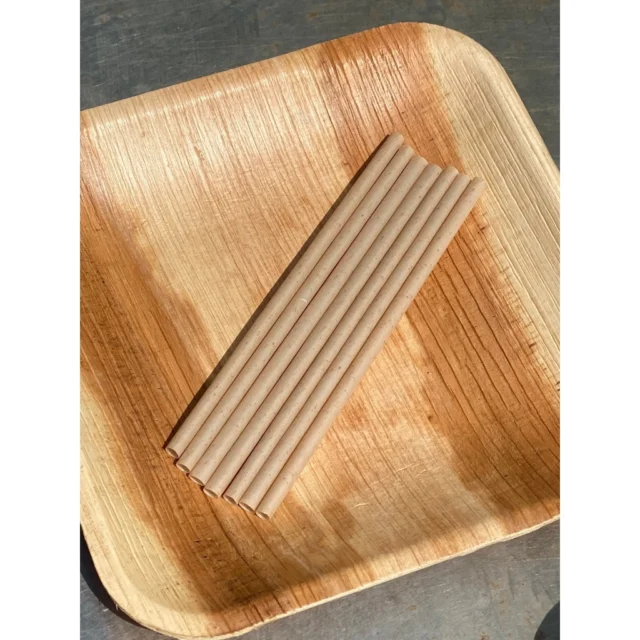
Singapore’s F&B landscape is uniquely varied — from hawker stalls serving iced kopi in minutes to bubble tea shops with lines out the door to specialty cafés competing on presentation. Each of these business types faces different practical challenges when switching to compostable straws. Here’s a tailored approach for each.
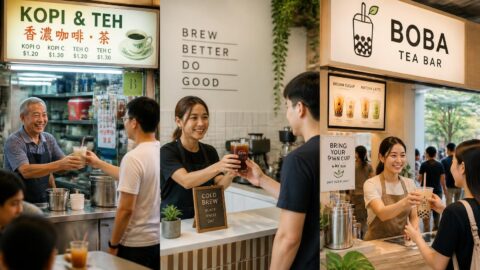
From fast-paced hawker stalls and specialty cafés to high-volume bubble tea kiosks, transitioning to compostable straws requires a tailored approach suited to each unique Singapore F&B business model.
Hawker Stalls: Speed and Cost Are King
Hawker stalls operate on thin margins and high volume, so any switch needs to be simple and cost-predictable.
What matters most:
- Straws that dispense quickly from a holder without jamming
- Minimal price increase per cup, given typically low drink pricing
- No added prep time — straws should work exactly like the plastic ones they replace
Practical approach:
- Standard PLA straws work well for iced kopi, iced tea, and other classic hawker drinks
- Buy through a shared distributor if you’re part of a hawker centre with a coordinated group purchase — some hawker centres have started organizing bulk eco-packaging buys to reduce individual stall costs
- Consider “straws on request” to manage costs, especially for takeaway orders where customers may already have straws at home or in the office
Cafés: Presentation and Customer Experience Matter
Specialty cafés often use the switch to compostable straws as part of their broader brand story, so presentation and durability both matter.
What matters most:
- Straws that hold up through a full iced latte or cold brew without going soft
- Aesthetic fit with café branding (some cafés prefer the natural bagasse look; others prefer PLA’s more polished, clear finish)
- Clear customer communication, since café customers are often more attentive to sustainability messaging
Practical approach:
- Bagasse or PLA straws both work well; test both with your specific drink menu since milk-based and acidic cold brews behave differently
- Add a small note on your menu or social channels explaining the switch — café customers respond well to this kind of transparency
- Pair with other compostable items (cup, lid, sleeve) for a consistent, fully sustainable presentation
Bubble Tea Shops: Diameter and Durability Are Non-Negotiable
Bubble tea presents a unique challenge: the straw needs to be wide enough for tapioca pearls while remaining sturdy enough not to buckle when piercing a sealed cup lid.
What matters most:
- Wide-diameter straws (typically 12mm or larger) that don’t collapse
- Enough rigidity to puncture a sealed plastic or compostable cup film
- Performance across a wide range of drink temperatures, from iced milk tea to hot specialty brews
Practical approach:
- Sugarcane bagasse straws are the most commonly used compostable option for bubble tea in Singapore, offering the structural strength needed for both piercing and pearl flow
- Test straw rigidity carefully — some compostable straws that work fine for regular drinks buckle under the pressure needed to pierce a sealed cup
- If offering both regular and boba drinks, consider stocking two straw sizes rather than a single “one size fits all” option
Side-by-Side: What Each Business Type Should Prioritize
| Business Type |
Top Priority |
Recommended Material |
Key Risk to Avoid |
| Hawker stall |
Cost and speed |
Standard PLA |
Overcomplicating a high-volume, low-margin operation |
| Café |
Presentation and durability |
PLA or bagasse |
Straws going soggy mid-drink, hurting customer experience |
| Bubble tea shop |
Diameter and structural strength |
Wide bagasse |
Straws buckling when piercing sealed cup lids |
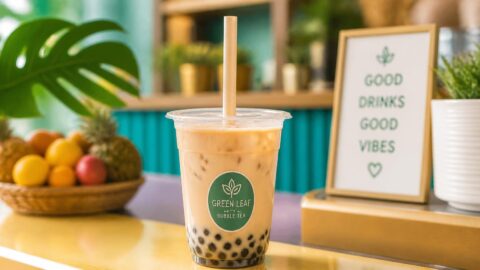
For bubble tea shops, structural strength and wide diameters are non-negotiable, making sturdy sugarcane bagasse straws the ideal choice for handling both ice-cold milk tea and tapioca pearls.
A Simple Rollout Plan for Any F&B Business Type
- Week 1: Identify your drink types and required straw sizes; request samples from 2–3 suppliers
- Week 2: Trial samples with actual staff and a subset of customers; note any complaints or handling issues
- Week 3: Finalize your supplier, place your first order, and prepare simple signage if desired
- Week 4: Full rollout with staff briefed on where used straws should go (compost bin if available, otherwise general waste)
Managing Costs Across Different Business Models
- Hawker stalls: Explore group purchasing through hawker centre management or associations to access better bulk pricing than a single stall could negotiate alone
- Cafés: Absorb the modest cost difference into brand positioning, or introduce a small optional eco-packaging fee clearly communicated to customers
- Bubble tea shops: Given higher per-cup pricing typical in this segment, the straw cost difference is often a smaller percentage of overall margin and easier to absorb
Frequently Asked Questions
Do hawker stalls in Singapore need to switch to compostable straws? There’s no current blanket requirement, but many hawker centres and associations are encouraging the shift as part of broader sustainability pushes, and some stalls are switching voluntarily to align with customer expectations.
What’s the biggest complaint F&B businesses hear after switching? Texture and durability concerns are most common initially, particularly with lower-quality straws — sourcing well-tested, properly certified straws largely resolves this.
Can one straw type work for all drink categories? Rarely ideally — hot drinks, cold drinks, and boba-style drinks each have different demands, so many businesses stock two straw types (e.g., standard PLA for regular drinks, wide bagasse for boba) rather than a single universal option.
Final Thoughts
There’s no one-size-fits-all approach to switching to compostable straws across Singapore’s diverse F&B landscape. What works for a fast-moving hawker stall won’t necessarily suit a bubble tea shop’s structural demands or a café’s presentation standards. Matching the straw material and sourcing strategy to your specific business model is what makes the transition smooth rather than disruptive.
Compostable straws are increasingly part of daily life across Singapore’s food scene — the businesses that plan the switch thoughtfully see the smoothest transition and the best customer reception.