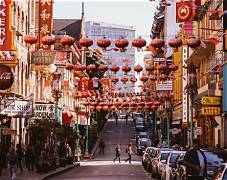
Ask any longtime Singaporean about traditional takeaway kopi, and many will describe the same iconic image: a plastic bag filled with iced coffee, a straw poking through a rubber band-secured knot at the top. Chinatown, home to some of Singapore’s oldest kopitiams, still carries this tradition in pockets — creating a distinctive contrast with the paper cup culture increasingly common in the district’s newer cafés.
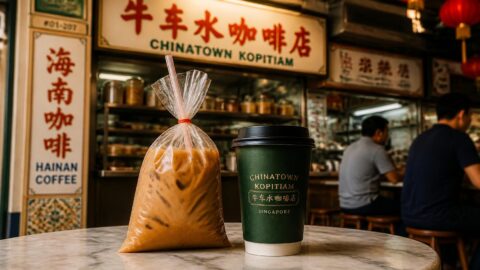
In Singapore’s Chinatown, iconic traditional plastic-bag kopi sits side-by-side with modern paper cups, illustrating a fascinating neighborhood transition between heritage customs and contemporary takeaway culture.
Before paper cups became widespread, Singapore’s takeaway coffee culture was built around the plastic bag-and-straw method, prized for being cheap, leak-resistant for iced drinks, and easy to carry by the knot. Many heritage kopitiams in Chinatown still offer this style for regular customers, particularly for cold beverages, while reserving paper cups mainly for hot drinks or for customers who specifically request them.
| Format | Common Use | Vendor Type |
|---|---|---|
| Plastic bag + straw | Iced kopi, iced teh | Traditional kopitiams |
| Paper cup with lid | Hot coffee, modern iced drinks | Modern cafés, some kopitiams |
| Styrofoam cup | Hot beverages (declining) | Older, budget-focused stalls |
| Reusable cup | Dine-in or bring-your-own | Increasingly common at newer cafés |
Heritage stall owners cite several practical reasons for sticking with the traditional plastic bag format rather than switching entirely to paper cups:
Chinatown’s newer wave of specialty cafés, many clustered around Ann Siang Hill and Club Street, have adopted paper cups almost universally, often with custom branding and eco-messaging printed directly on the cup or sleeve. This mirrors broader adoption patterns discussed in our related article on paper cups Singapore, which explores the recycling challenges and lining materials behind these seemingly simple cups.
Chinatown’s uneven adoption of paper cups closely mirrors the district’s approach to paper straws, where heritage vendors have also moved more cautiously than newer businesses. For a closer look at that dynamic, see our related piece on paper straws Singapore.
Chinatown’s tightly packed shophouse layout, with narrow five-foot ways and limited back-of-house space, creates practical challenges for implementing dedicated cup recycling programs. Many heritage stall operators simply lack the physical space to sort and store used cups separately from general waste, even if they wanted to participate in specialized recycling initiatives.
Interestingly, the traditional plastic bag-and-straw takeaway format has itself become something of a tourist novelty, with visitors often photographing or specifically seeking out this distinctly Singaporean packaging style as part of their heritage food experience — creating an unusual dynamic where a plastic-heavy tradition is preserved partly for its cultural and tourism value, even as broader sustainability efforts push toward reduced plastic use elsewhere in the district.
Do Chinatown’s traditional kopitiams still use plastic bags instead of paper cups? Many do, particularly for iced beverages, as the format remains popular for its practicality and long cultural association with Singaporean kopi culture.
Are paper cups common in Chinatown’s newer cafés? Yes — modern specialty cafés in areas like Ann Siang Hill and Club Street have largely adopted paper cups, often with custom branding.
Why is the plastic bag takeaway format still popular despite sustainability concerns? Its low cost, practicality for iced drinks, and strong cultural association with traditional Singaporean coffee culture have helped it persist even as broader packaging trends shift toward paper cups and reusable alternatives.
Much like the district’s broader packaging story, change in Chinatown’s cup culture tends to arrive alongside generational transitions in family-run businesses. Second-generation stall owners taking over from their parents frequently introduce paper cups and other modernized packaging alongside other updates, such as digital payment systems and social media presence, often citing customer feedback and observation of neighboring modern cafés as key motivators for change.
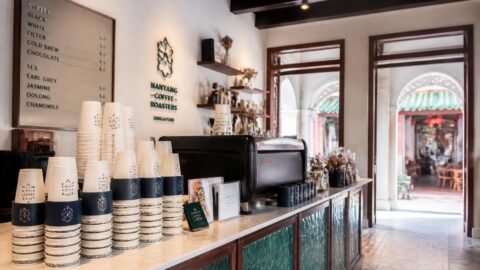
As younger generation operators take over historic shophouse spaces, modern specialty cafés across Chinatown are universally adopting paper cups and customized sustainable packaging.
Chinatown offers a rare, living contrast between one of Singapore’s most enduring takeaway traditions and the newer wave of paper cup culture spreading through its modern café scene. As younger operators gradually take over heritage businesses, expect the balance to shift slowly toward paper cups and reusable alternatives — without necessarily erasing the plastic bag kopi tradition that remains such a distinctive part of the neighborhood’s identity.