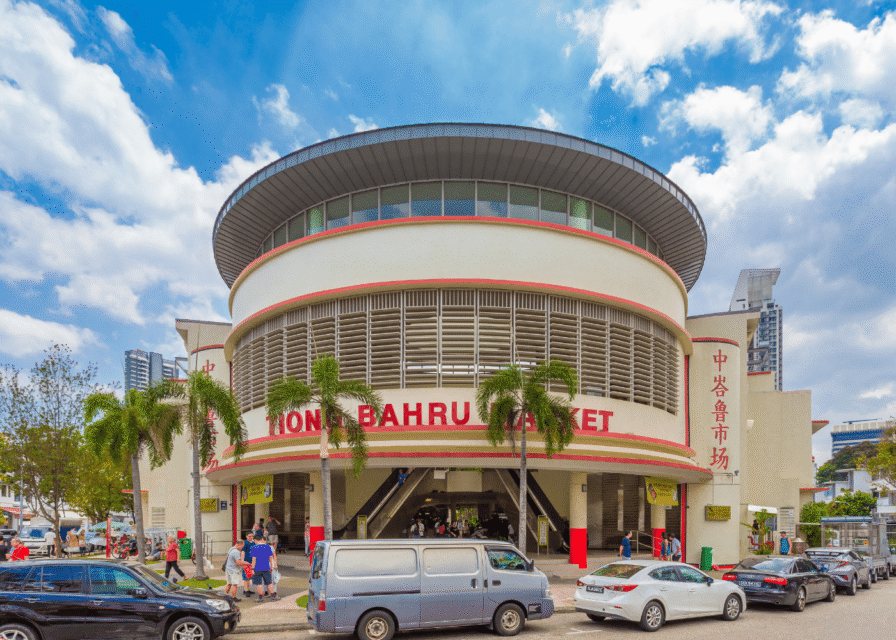
In Tiong Bahru, a paper cup is rarely just a paper cup. Singapore’s oldest public housing estate, now home to a concentrated cluster of independent bakeries and specialty cafés, has turned cup design into an extension of brand identity — with minimalist typography, kraft-paper textures, and small design details that reflect the neighborhood’s design-conscious character.
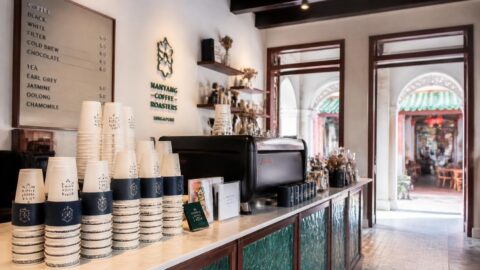
As younger generation operators take over historic shophouse spaces, modern specialty cafés across Chinatown are universally adopting paper cups and customized sustainable packaging.
Independent café owners in Tiong Bahru frequently invest more in cup aesthetics than larger chains might, given the district’s design-forward, social media-savvy customer base. Common design choices include:
Despite the design focus, Tiong Bahru’s cafés face the same underlying recycling challenge common across Singapore: most paper cups carry a thin plastic lining that prevents standard paper recycling. For a full breakdown of this issue, see our related article on paper cups Singapore, which explains why even beautifully designed cups often still end up as general waste.
| Café Type | Cup Material Focus | Sustainability Feature |
|---|---|---|
| Independent specialty coffee shops | Kraft paper, minimalist design | Some offer BYO cup discounts |
| Bakery-cafés | Branded paper cups | Recycled-content paperboard |
| Hawker centre drink stalls (Tiong Bahru Market) | Standard paper cups | Increasingly paired with paper straws |
| Newer chain outlets | Standardized branded cups | Corporate sustainability targets |
Tiong Bahru was among the earliest Singapore neighborhoods to embrace paper straws widely, a pattern discussed further in our related piece on paper straws Singapore. This same early-adopter culture has extended naturally to cup choices, with several cafés treating sustainable cup sourcing as a logical next step after already establishing straw and packaging credentials with their customer base.
Several independent cafés in Tiong Bahru have introduced modest discounts for customers who bring their own reusable cup or tumbler, a practice that has gained particular traction among the neighborhood’s design-conscious, sustainability-aware resident population. Some cafés have gone further, selling branded reusable cups as a retail item, turning what started as a waste-reduction measure into an additional revenue stream and marketing opportunity.
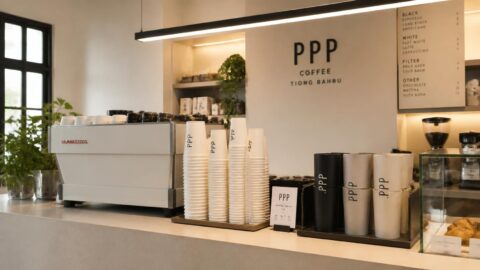
Combining design-conscious branding with a growing bring-your-own-cup culture, Tiong Bahru’s independent cafés seamlessly weave aesthetics into everyday sustainable practices.
Unlike the aesthetic-driven cup culture found in nearby independent cafés, Tiong Bahru Market’s hawker stalls take a more practical, cost-conscious approach to cup selection, prioritizing durability and low cost over branding. This creates an interesting split within a very compact geographic area — walking just a few minutes, visitors can move from a design-forward specialty café using custom kraft cups to a hawker stall using standard, no-frills paper cups for the same cup of kopi peng.
Given Tiong Bahru’s strong Instagram presence, distinctively designed cups occasionally become minor social media moments in their own right, with visitors photographing a particularly well-designed cup alongside the neighborhood’s art deco architecture. Café owners have noted this creates a subtle incentive to continue investing in cup aesthetics, since a photogenic cup can generate free exposure well beyond the immediate transaction.
Why do Tiong Bahru cafés invest more in cup design than typical coffee shops? The neighborhood’s design-conscious, social media-active customer base creates commercial value in distinctive, aesthetically pleasing cup design beyond pure functionality.
Are Tiong Bahru’s paper cups more recyclable because of their premium design? Not necessarily — design quality and recyclability are separate issues, since most cups, regardless of aesthetic quality, still use a plastic lining that limits standard recycling.
Does Tiong Bahru Market use the same cup style as nearby cafés? No — the hawker centre generally uses standard, practical paper cups, creating a notable contrast with the more design-focused cups found at nearby independent cafés.
While cup design has understandably drawn the most visible attention in Tiong Bahru, several café owners have begun looking past aesthetics toward more substantive sustainability measures, including sourcing recycled-content paperboard and exploring partnerships with the small number of specialized cup recycling programs operating in Singapore. This shift suggests the neighborhood’s early adopter culture may increasingly extend beyond visual branding into more meaningful, harder-to-see sustainability improvements.
Tiong Bahru’s approach to paper cups reflects its broader identity: a heritage estate where thoughtful design and sustainability consciousness intersect naturally. As the neighborhood’s café scene continues evolving, expect cup design to remain a meaningful, if understated, extension of the district’s distinctive brand — even as the underlying recycling challenges common to paper cups across Singapore remain largely unresolved.