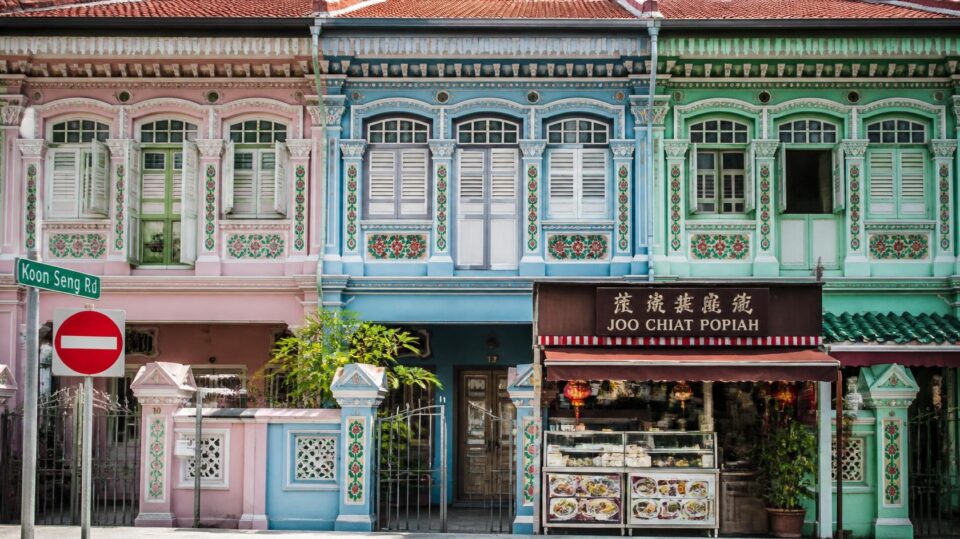
Joo Chiat and Katong’s food identity has always centered on generations-old recipes served in equally traditional ways — and that extends to how beverages are packaged for takeaway. In a district famous for katong laksa and Peranakan cuisine, paper cups occupy a curious middle ground between heritage practicality and the design-forward habits of the area’s newer café crowd.
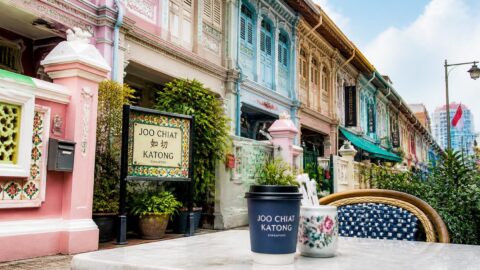
In Singapore’s historic Peranakan heartland of Joo Chiat and Katong, traditional takeaway drink formats sit alongside modern paper cups as the neighborhood blends heritage with contemporary packaging.
Long-standing beverage stalls throughout Joo Chiat and Katong have historically favored simpler, lower-cost packaging for their bandung, barley water, and iced coffee offerings, often using standard plastic cups or the classic plastic bag-and-straw format rather than paper cups, which tend to cost more and require lids that add complexity to fast-paced hawker-style service.
| Beverage | Traditional Packaging | Modern Café Alternative |
|---|---|---|
| Bandung | Plastic bag or plastic cup | Paper cup with lid |
| Barley water | Plastic cup | Paper cup, occasionally reusable jar |
| Iced coffee (kopi peng) | Plastic bag with straw | Branded paper cup |
| Specialty iced lattes (newer cafés) | N/A | Paper cup near-universal |
East Coast Road, the district’s commercial spine, illustrates a familiar generational divide also seen in the area’s approach to straws, detailed in our related article on paper straws Singapore. Toward the traditional end of the strip, heritage laksa and drink stalls continue largely unchanged, while newer stretches feature brunch cafés and dessert bars that have adopted paper cups as a matter of course, often with custom branding aimed at a younger, design-conscious clientele.
Given the mix of small, family-run stalls and newer cafés, Joo Chiat and Katong face a particularly fragmented cup recycling landscape. Larger, newer businesses are more likely to have the resources and awareness to participate in specialized cup recycling programs, while smaller heritage stalls often lack the space or administrative capacity to sort and manage separate waste streams — a challenge explored in broader detail in our related piece on paper cups Singapore.
Sit-down Peranakan restaurants in the district generally have lower cup dependency than takeaway-focused stalls, since dine-in service typically uses glassware rather than disposable cups. This creates a somewhat lower overall cup waste footprint for full-service Peranakan restaurants compared to the district’s many takeaway-oriented drink stalls and modern cafés.
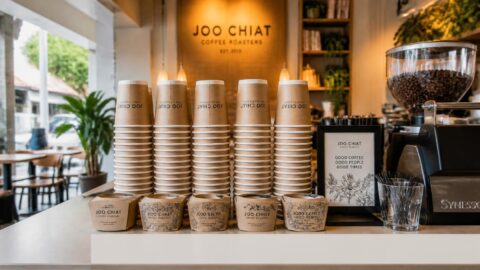
Reflecting a steady generational shift along East Coast Road, modern brunch cafés and specialized drink spots are increasingly adopting paper cups and sustainable packaging options.
Joo Chiat and Katong draw a steady stream of heritage trail visitors specifically interested in experiencing traditional Peranakan food culture, including its traditional packaging quirks. This creates a nuanced dynamic where some tourists specifically value encountering unchanged, traditional takeaway formats as part of an authentic experience, somewhat similar to patterns also observed in the district’s approach to straws.
Do traditional beverage stalls in Katong use paper cups? Adoption varies significantly, with many heritage stalls still favoring plastic cups or the traditional plastic bag format over paper cups, largely due to cost and practicality.
Are modern cafés in Joo Chiat more likely to use paper cups? Yes — newer brunch cafés and dessert bars along East Coast Road have generally adopted paper cups as standard practice, often with custom branding.
Why do full-service Peranakan restaurants have lower cup waste than takeaway stalls? Dine-in service typically uses glassware, reducing dependency on disposable cups compared to takeaway-focused beverage stalls.
As Joo Chiat and Katong have grown more popular with both tourists and younger residents, rising commercial rents have pushed some heritage stalls to modernize their overall operations, including packaging, simply to remain competitive against newer businesses moving into the area. This economic pressure, alongside generational succession, has quietly become one of the more reliable drivers of paper cup adoption among longer-standing vendors in the district.
Joo Chiat and Katong’s paper cup story closely mirrors the district’s broader relationship with sustainability: gradual, generationally-driven change rather than sweeping, immediate transformation. As younger operators continue taking over family businesses, expect paper cups to slowly become more common across the district — introduced carefully, alongside the traditional formats and flavors that have long defined this beloved Peranakan heartland.